ADVERTISEMENT
Certainly! Here’s a detailed, easy-to-follow article titled:
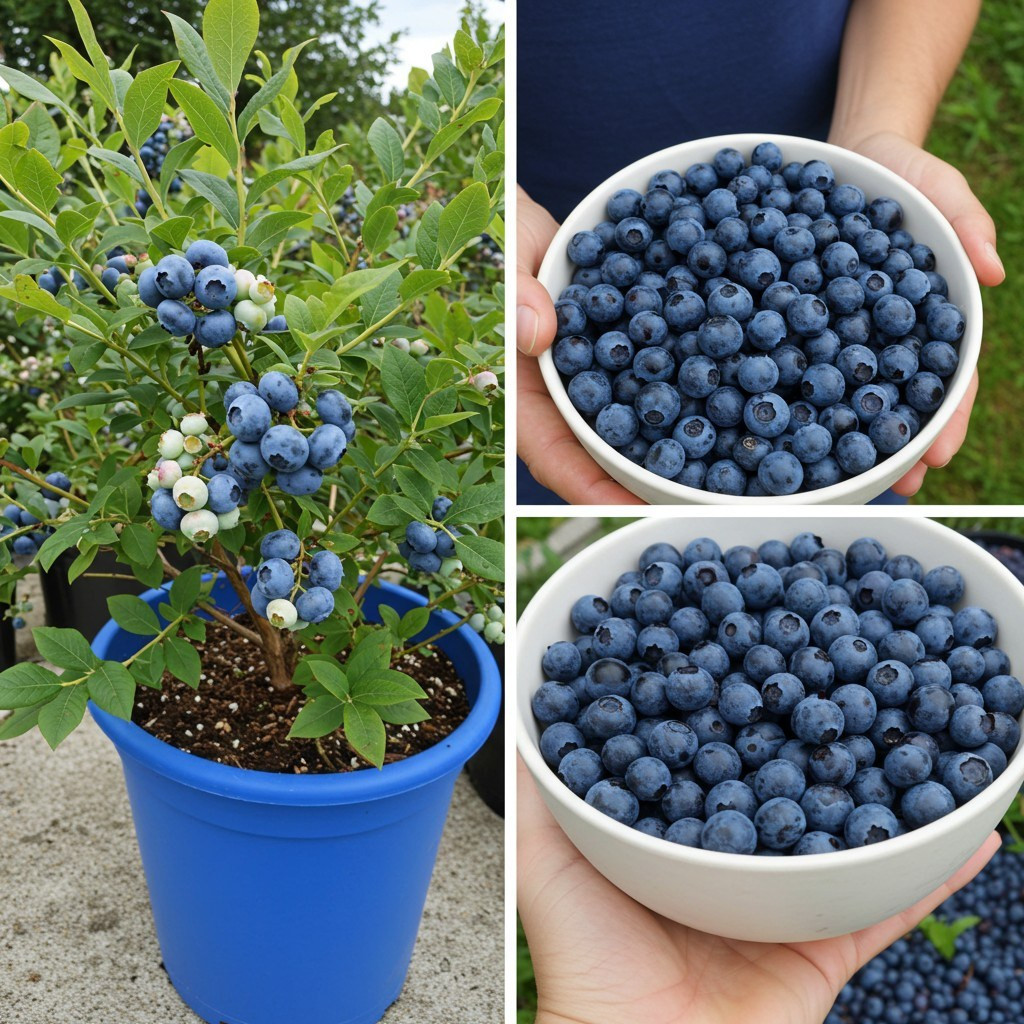
How to Grow Blueberries at Home So You Have Endless Plenty and Never Buy Them Again
Whether you have a backyard, a balcony, or even just a few pots on a patio, here’s exactly how to grow blueberries at home so you can enjoy an abundant supply without ever heading to the grocery store again.
🫐 Why Grow Your Own Blueberries?
- ✅ Save money — One plant can produce hundreds of berries every season.
- ✅ Superior taste — Homegrown blueberries are sweeter and fresher.
- ✅ Pesticide-free — You control what goes on them.
- ✅ Low-maintenance — Once established, they’re easy to care for.
- ✅ Beautiful shrubs — They look great in gardens and even change colors in fall!
🌱 Step 1: Choose the Right Blueberry Variety
There are 3 main types of blueberries to choose from, depending on your climate:
1. Highbush (Northern)
- Best for zones 4–7
- Most common variety
- Great for backyard gardens
2. Rabbiteye
- Ideal for Southern U.S. (zones 7–9)
- Very heat-tolerant
- Can grow over 6 feet tall
3. Lowbush
- Hardy and compact
- Best for colder climates (zones 3–6)
- Perfect for smaller spaces or containers
🪴 Step 2: Pick the Perfect Planting Spot
Blueberries need:
- Full sun — At least 6–8 hours of sunlight per day
- Well-draining, acidic soil — pH between 4.5 and 5.5
- Air circulation — Avoid cramped or shaded areas
If your soil is not naturally acidic, don’t worry! You can amend it with peat moss, pine needles, or organic soil acidifiers.
🌼 Step 3: Planting Your Blueberries
- Plant in early spring or late fall.
- Space bushes 4–5 feet apart if planting more than one.
- Dig a hole twice as wide as the root ball.
- Mix in peat moss and water thoroughly.
- Mulch around the base with pine bark, straw, or wood chips to retain moisture and maintain acidity.
💧 Step 4: Watering & Feeding
- Water deeply 1–2 times a week — especially during dry spells.
- Use rainwater if possible (tap water can be alkaline).
- Feed with an acid-loving plant fertilizer in early spring and again after harvest.
🌸 Step 5: Encourage Pollination and Growth
- Plant at least 2 different varieties nearby to boost cross-pollination and berry yield.
- Prune plants every winter to remove dead or crossing branches and improve air flow.
🫐 When to Expect Your First Harvest
- Year 1: Mostly root and leaf development
- Year 2: Light berry production
