ADVERTISEMENT
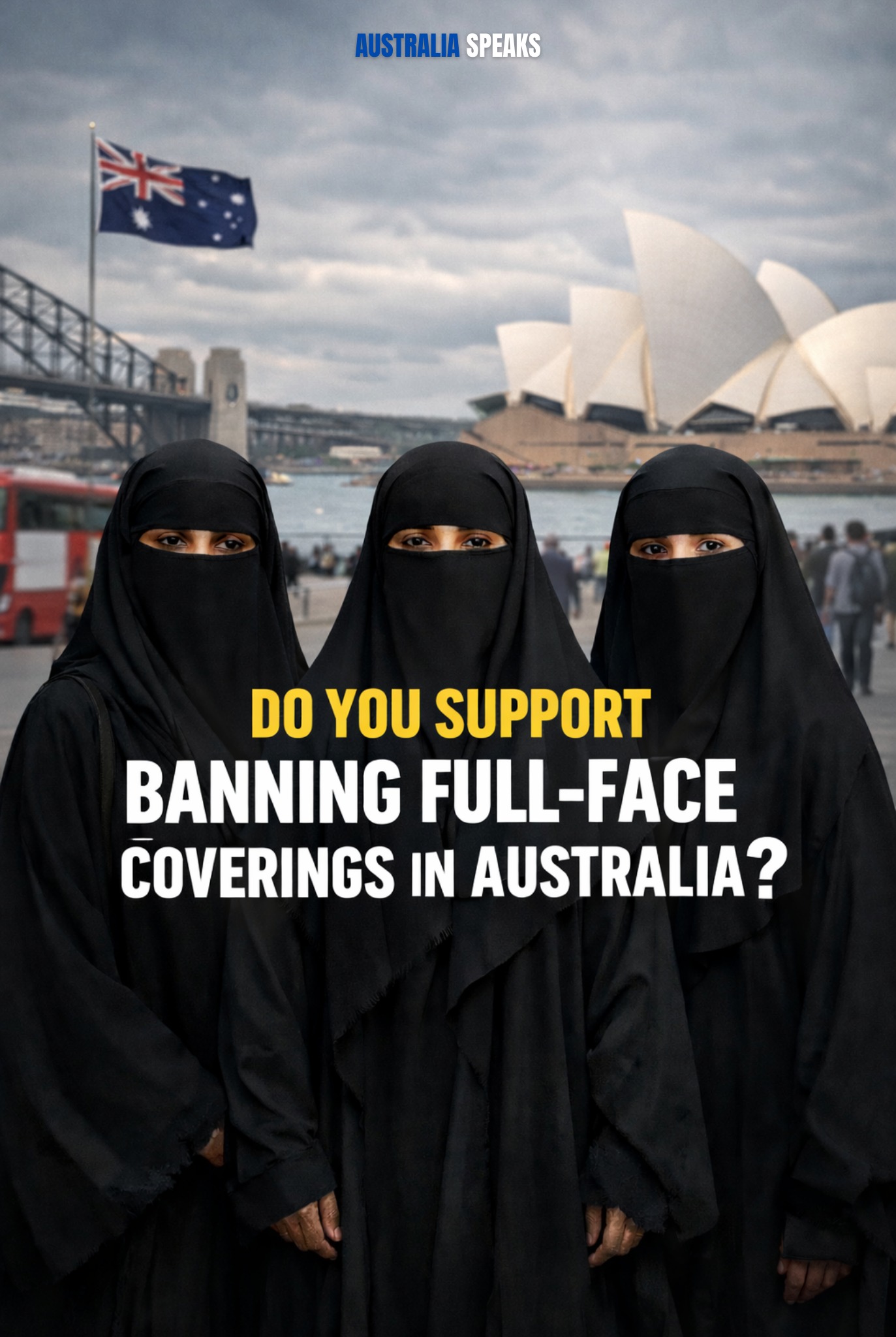
Community leaders, particularly from Muslim organizations, have voiced strong opposition to bans, arguing that they exacerbate discrimination, foster social exclusion, and unfairly target a minority community. Conversely, some advocacy groups and political figures emphasize the importance of visibility and transparency in public life, framing the issue as one of societal cohesion.
France: Enacted a law in 2010 banning face coverings in public spaces, citing secularism and security concerns.
Belgium: Passed a similar law in 2011, with exceptions for health and safety purposes.
These policies have sparked extensive debates on freedom, human rights, and integration. Critics argue that bans can alienate communities and reinforce social divisions, while proponents point to improved social interaction and security benefits. Australia’s policymakers often look to these examples, weighing the successes and challenges of such legislation abroad.
