ADVERTISEMENT
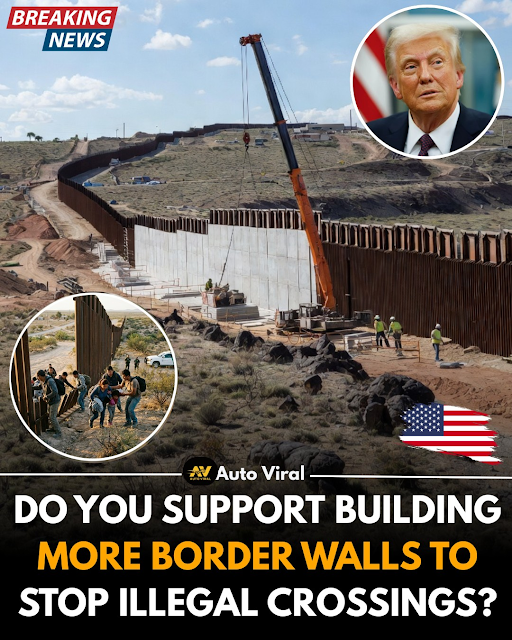
One of the most serious criticisms of border walls is their humanitarian impact. By forcing migrants to take more dangerous routes, walls can increase the risk of injury or death during border crossings. Deserts, rivers, and remote terrain become the only remaining paths for those attempting to migrate.
4. Environmental Impact
Border walls can also damage ecosystems. Physical barriers disrupt wildlife migration routes and fragment habitats. In some regions, environmental scientists warn that walls threaten endangered species by preventing natural movement across landscapes.
These environmental consequences rarely receive as much attention as political debates, but they represent an important dimension of the issue.
Political leaders often use the image of a wall to communicate simple solutions to complex problems. Immigration policy involves legal systems, labor markets, humanitarian obligations, and international diplomacy—issues that are difficult to address through a single policy measure. A wall, however, offers a clear visual representation of action.
