ADVERTISEMENT
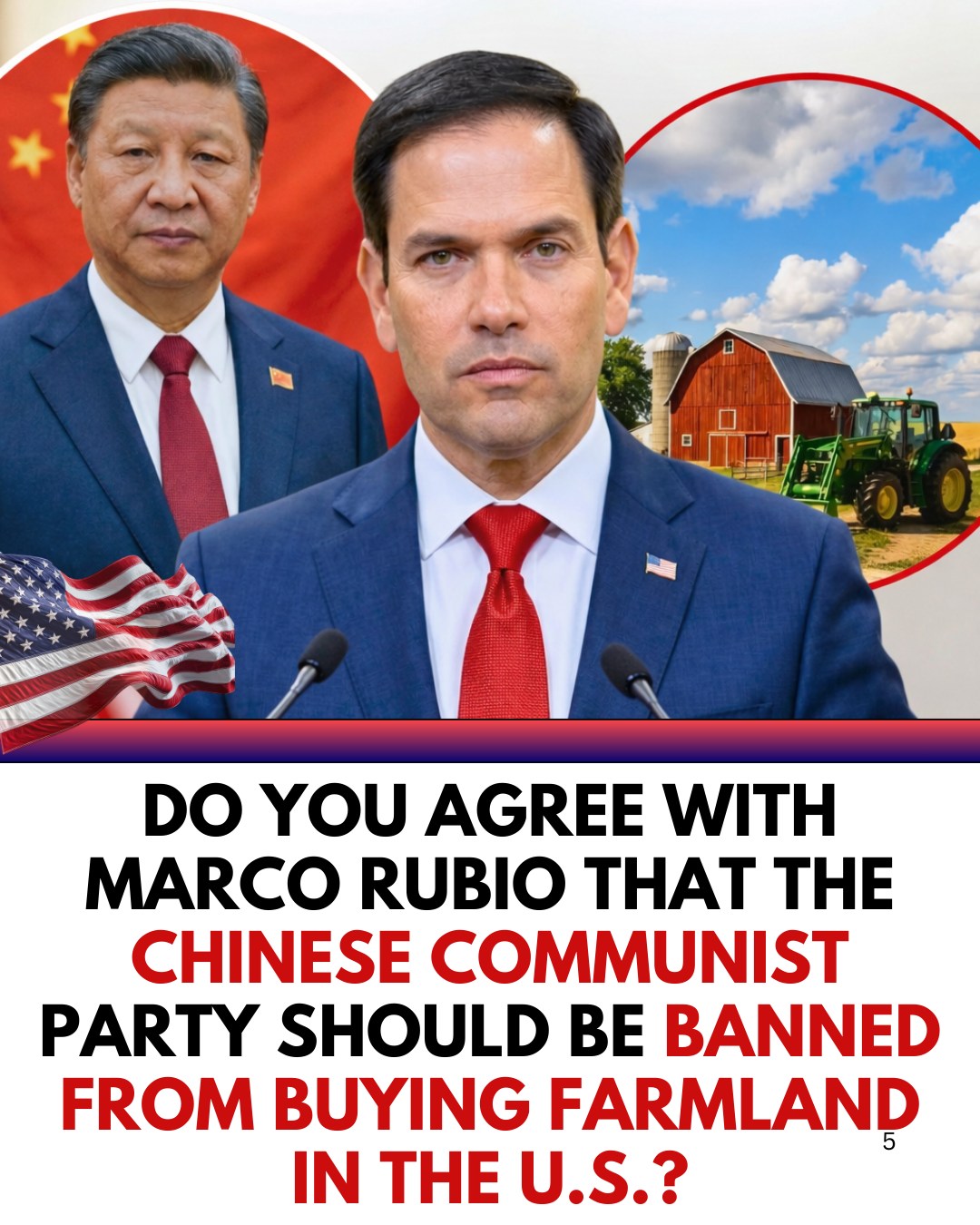
Beyond aesthetics lies the substance of the debate. Foreign ownership of agricultural land is not new; investors from many countries have purchased U.S. farmland for decades. The reasons vary: agricultural production, investment diversification, real estate speculation, and strategic food supply considerations. In recent years, however, the presence of foreign — especially Chinese — investors has become a politically salient flashpoint. Advocates for restrictions raise several core arguments: risks to national security, threats to food security, the potential for opaque state-linked purchases, local economic impacts, and symbolic loss of patrimony. Opponents of broad bans caution about property rights, free investment principles, foreign direct investment’s role in rural economies, and the practicalities of enforcement.
