ADVERTISEMENT
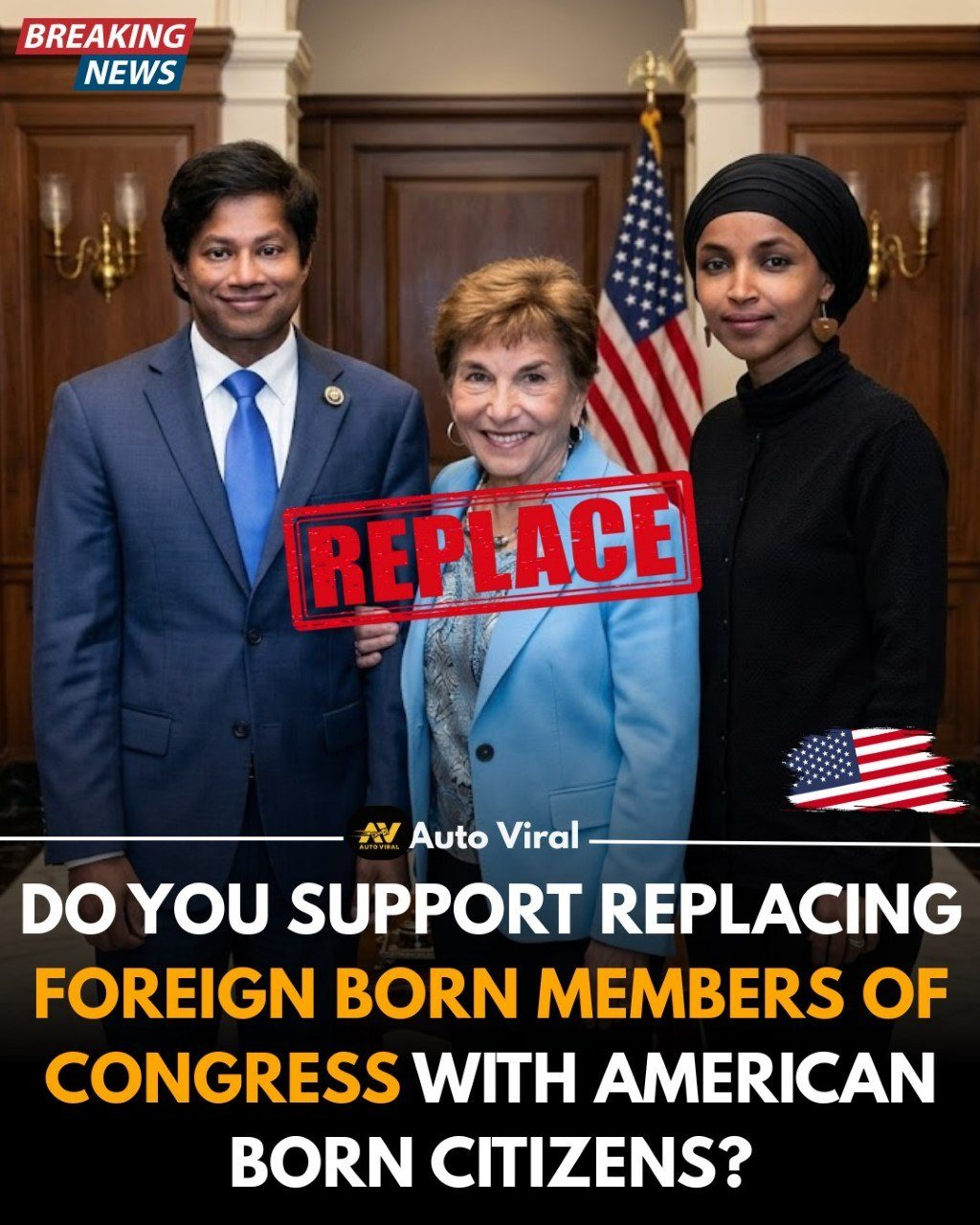
This means that naturalized citizens can and do serve in Congress, as well as in state and local governments. Their participation reflects the broader principle that democratic representation should be accessible to all citizens, regardless of how they obtained their citizenship.
In practice, the increasing diversity of the United States has led to greater representation of immigrants and their descendants in public office. This trend underscores the idea that American identity is not fixed but continually evolving.
The question of who can represent America extends beyond politics into areas such as sports. Athletes who compete for the United States in international competitions, such as the Olympics, must typically be U.S. citizens. However, the rules governing eligibility can be more flexible than in politics.
Athletes may acquire citizenship through naturalization and then compete for their adopted country. In some cases, individuals born abroad to American parents may represent the United States even if they have spent little time living there. Dual citizenship can also complicate matters, as athletes may have the option to choose which country to represent.
Sports highlight the fluidity of national identity in a globalized world. While legal citizenship is usually the primary criterion, factors such as training opportunities, personal connections, and career prospects can influence an athlete’s decision.
VI. Cultural and Diplomatic Representation
Citizenship also plays a role in determining who can represent the United States in cultural and diplomatic contexts. Diplomats, for example, must be U.S. citizens, as they act as official representatives of the government. Similarly, individuals selected for cultural exchange programs or international leadership roles often need to demonstrate a clear connection to the United States.
However, cultural representation is less strictly regulated than political or diplomatic roles. Artists, writers, and performers who are not citizens may still be seen as representing American culture, particularly if they live and work in the country. This reflects the broader reality that culture transcends legal definitions of citizenship.
In an increasingly interconnected world, many individuals hold dual citizenship, meaning they are legally recognized as citizens of two countries. This raises important questions about loyalty and representation.
