ADVERTISEMENT
How long? About 30 seconds.
Step 2: Prep Your Butter
Cut the cold butter into small cubes. You’ll add it in two stages.
Discover more
Grains & Pasta
Soups & Stews
milk
Step 3: Heat the Pan (Low and Slow)
Place a nonstick skillet over low heat. Not medium-low. Not medium. Low.
Pour the eggs into the pan. Then—here’s the hardest part—do not touch them for about 30 seconds.
Step 5: Stir Constantly (But Gently)
Using a rubber spatula, begin stirring slowly but constantly. Scrape the bottom of the pan, pushing the set eggs toward the center. Tilt the pan so the liquid egg runs back to the edges.
Step 6: Add the Remaining Butter
After about 1-2 minutes, add the remaining butter cubes. Stirring constantly, let them melt into the eggs.
The butter does two things: adds richness and helps regulate temperature (the cold butter cools the eggs slightly, slowing down cooking).
Step 7: Watch for the “Shiny” Stage
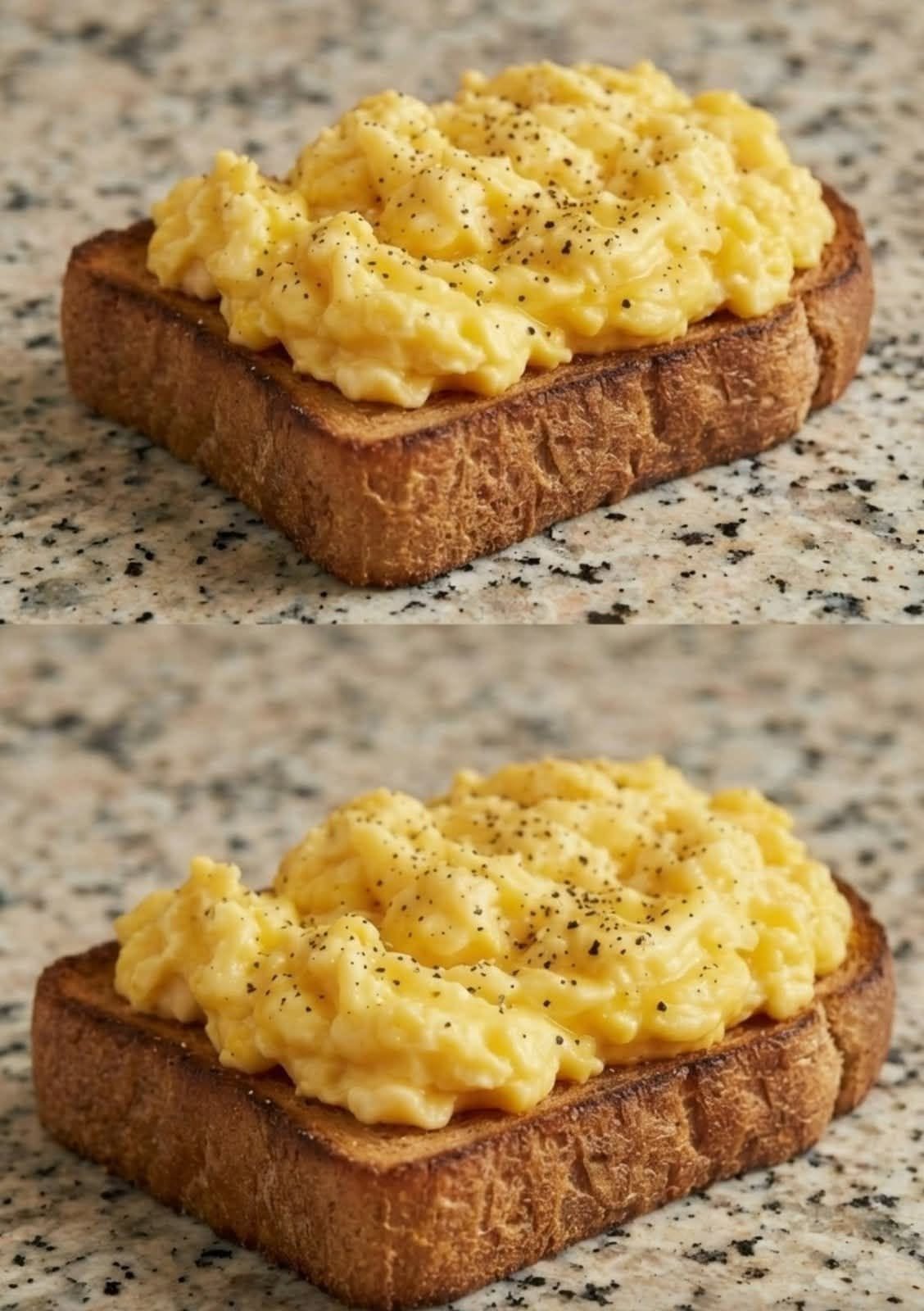
Continue stirring and scraping until the eggs are mostly set but still look moist, shiny, and slightly underdone. They should form soft, large curds, not small, dry ones.
How long? Total cooking time is about 3-5 minutes, depending on your heat level.
The visual test: The eggs should look like they need another 30 seconds of cooking. That’s when you’re done.
Step 8: Remove from Heat Immediately
Pull the pan off the stove. The residual heat will continue cooking the eggs for another 30-60 seconds (carryover cooking).
Step 9: Finish and Serve
Transfer the eggs to a warm plate. They should be soft, custardy, and almost creamy.
Finish with a sprinkle of flaky sea salt, freshly ground black pepper, and fresh chives or parsley if desired.
Serve immediately. Creamy scrambled eggs wait for no one.
My Best Tips for Creamy Success
Use low heat. This is non-negotiable. High heat creates rubbery eggs. Low heat creates tender, custardy eggs.
Use a rubber spatula. Metal spatulas can scratch nonstick pans. Rubber or silicone spatulas are gentle on the pan and gentle on the eggs.
Stir constantly. Don’t walk away. Don’t multitask. Creamy eggs require attention.
Pull them off early. If your eggs look done in the pan, they’re already overcooked. Remove them when they’re still glossy and soft.
Use room temperature eggs. Cold eggs seize up and cook unevenly. Leave them on the counter for 15-30 minutes before cooking.
Don’t add milk or cream. It dilutes the egg flavor and adds water. The creaminess comes from technique and butter, not additives.
Milk
Salt before cooking. This is controversial, but it’s correct. Salting eggs before cooking tenderizes the proteins and improves texture.Common Mistakes (And How to Avoid Them)
Mistake Why It’s Wrong The Fix
High heat Makes eggs dry and rubbery Use low heat. Be patient.
Over-stirring Creates small, dry curds (or scrambled egg paste) Stir gently. Less is more.
Cooking until dry Eggs continue cooking off the heat Pull the pan when eggs look slightly wet.
Adding milk or cream Dilutes flavor, adds water Use butter instead.
Metal spatula in nonstick pan Damages pan, may release chemicals Use silicone or rubber.
Forgetting salt Unsalted eggs are bland Salt is not optional.
French-Style vs. American-Style (What’s the Difference?)
Feature French-Style American-Style
Heat Very low Medium-low
Stirring Constant, gentle Occasional, folding
Butter More (adds richness) Moderate
Curd size Small, creamy, custardy Larger, fluffy, substantial
Texture Almost like a sauce Soft but distinct curds
Best for Toast, croissants, elegant brunches Hearty breakfasts, burritos, plates
This recipe leans French but is simplified for home cooks. It’s creamy, custardy, and rich—but still approachable.
Dairy & Eggs
ADVERTISEMENT
