ADVERTISEMENT
The debate often begins with different assumptions about what factors most influence military success.
Throughout the twentieth century, discussions emerged concerning:
Racial integration
Religious diversity
Women’s service roles
Sexual orientation
Disability accommodations
Each change generated concerns, predictions, and controversy.
Supporters argued that expanding opportunities would strengthen institutions by allowing more qualified individuals to contribute.
Over time, many previously controversial changes became accepted components of military life.
Critics, however, argue that each issue involves distinct considerations and should be evaluated independently.
Among the most commonly discussed are:
Retention
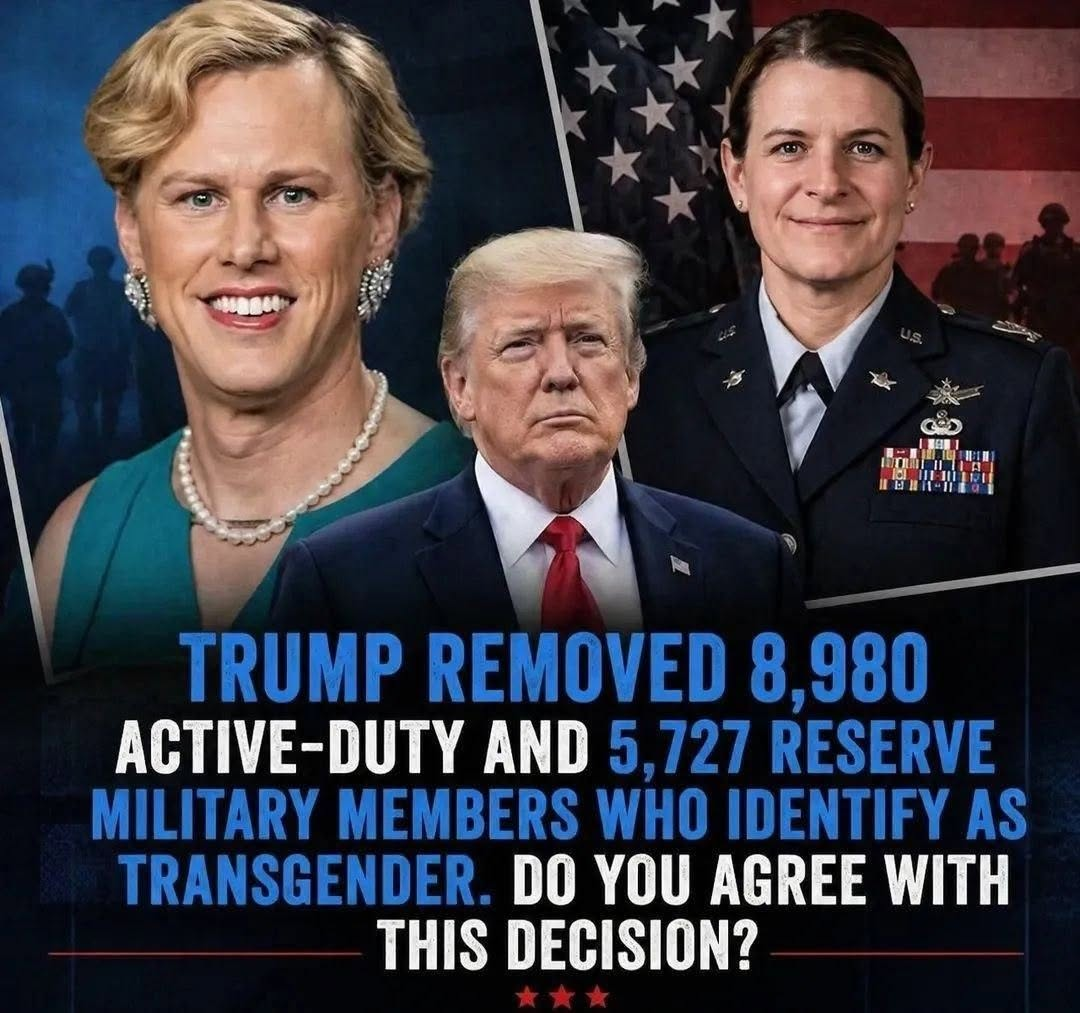
Should currently serving transgender personnel be permitted to continue serving?
Medical Standards
How should military medical requirements apply to transgender service members?
Housing and Facilities
How should military installations manage accommodations and facilities?
Because these questions involve different practical considerations, policymakers often reach different conclusions regarding each area.
Arguments Supporting Inclusive Service
Advocates for transgender military service generally begin with a straightforward principle:
From this perspective, if a person meets physical, medical, educational, and professional standards, they should be allowed to serve.
Supporters frequently advance several arguments.
ADVERTISEMENT
