ADVERTISEMENT
International experiences can provide useful information, but they do not necessarily resolve domestic policy debates.
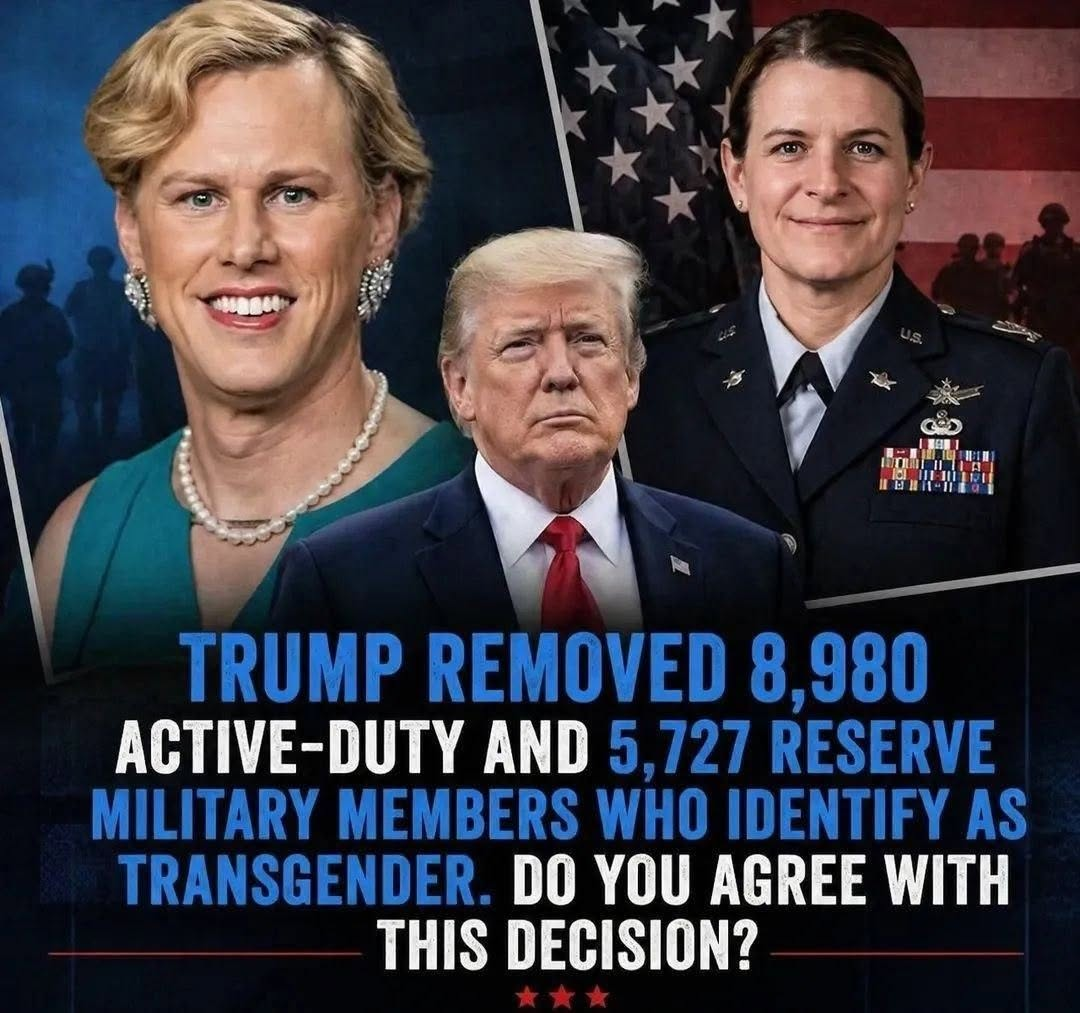
For transgender people seeking military service, the debate often concerns identity, opportunity, and belonging.
Many describe military service as a way to contribute to their country, develop skills, and pursue meaningful careers.
Conversely, some military personnel express concerns rooted in their understanding of military requirements and responsibilities.
These concerns may also be sincere and deeply held.
Too often, public debates reduce complex individuals to political symbols.
News reports, opinion columns, social media discussions, and political commentary frequently shape perceptions before people encounter primary information.
Supporters and opponents may portray each other’s positions in overly simplistic ways.
Constructive discussion requires acknowledging legitimate questions while avoiding assumptions about motives.
Understanding those concerns is often more productive than dismissing them.
Seeking Common Ground
Despite disagreement, several areas of potential common ground exist.
Military readiness is essential.
Policies should be based on evidence whenever possible.
Qualified individuals deserve fair consideration.
National security should remain a primary priority.
Service members should be treated with dignity and respect.
The challenge lies in determining how these principles should be applied in practice.
Nevertheless, identifying shared goals may help reduce polarization.
The Future of Military Personnel Policy
Military personnel policies will likely continue evolving as social attitudes, medical knowledge, and operational requirements change.
Future discussions may focus on:
Updated medical research
Recruitment challenges
Workforce needs
Legal developments
Technological changes
Demographic trends
ADVERTISEMENT
