ADVERTISEMENT
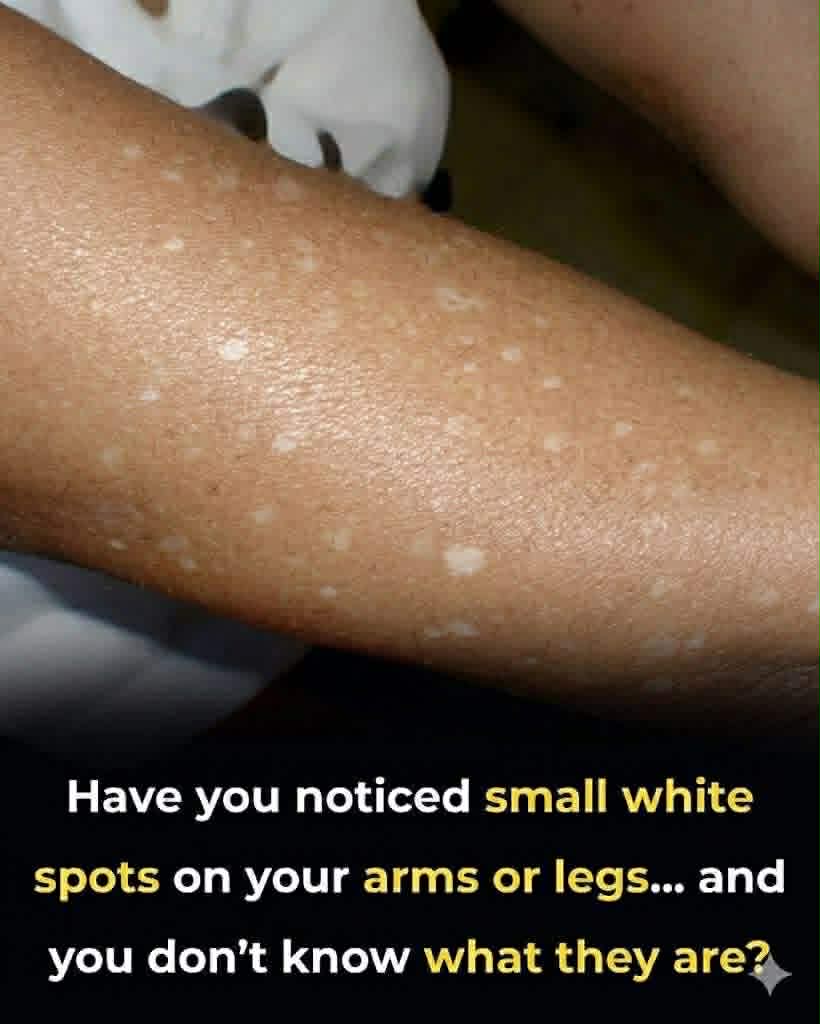
As the cells responsible for producing the coloration in these areas often cease to function altogether, “repigmentation” is not an easy task. However, preventing additional exposure to the sun’s UV rays is essential to avoid developing more sunspots. Some dermatologists use topical retinoids or gentle dermabrasion to blend these sunspots together, but most individuals opt to leave them as they are.
Malassezia resides on everybody’s skin; it is a normal part of our microbiota. Nevertheless, in hot and moist conditions, or when skin is especially oily, this yeast tends to overgrow. Once Malassezia overgrows, it starts producing an acid affecting the process of melanin formation. Thus, spots with reduced pigmentation (sometimes hyperpigmented spots) appear.
Appearance: White, pink, or light brown spots, having a thin and scaly coating. The latter can be easily spotted upon gentle scratching.
ADVERTISEMENT
