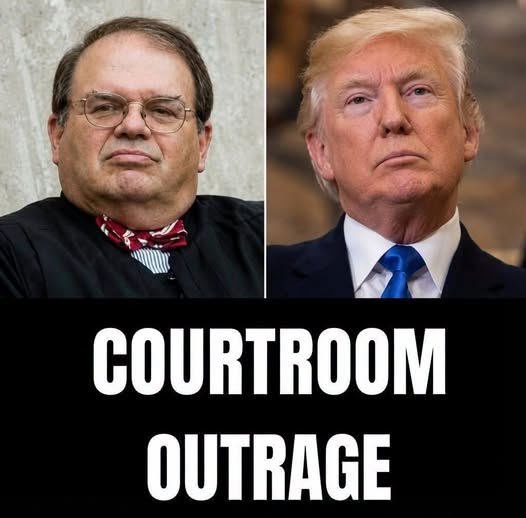
Supporters of the restrictions argued that elected leaders and military officials possess specialized expertise in assessing the needs of the armed forces. From this perspective, courts should be cautious about second-guessing decisions related to military effectiveness, particularly when those decisions involve complex judgments about deployment, training, healthcare costs, and operational readiness. They viewed judicial intervention as a potential intrusion into areas where civilian leaders and military professionals are generally expected to exercise broad discretion. For them, the controversy raised important questions about whether judges should override policy choices made by officials who are directly accountable to voters and responsible for national security.