ADVERTISEMENT
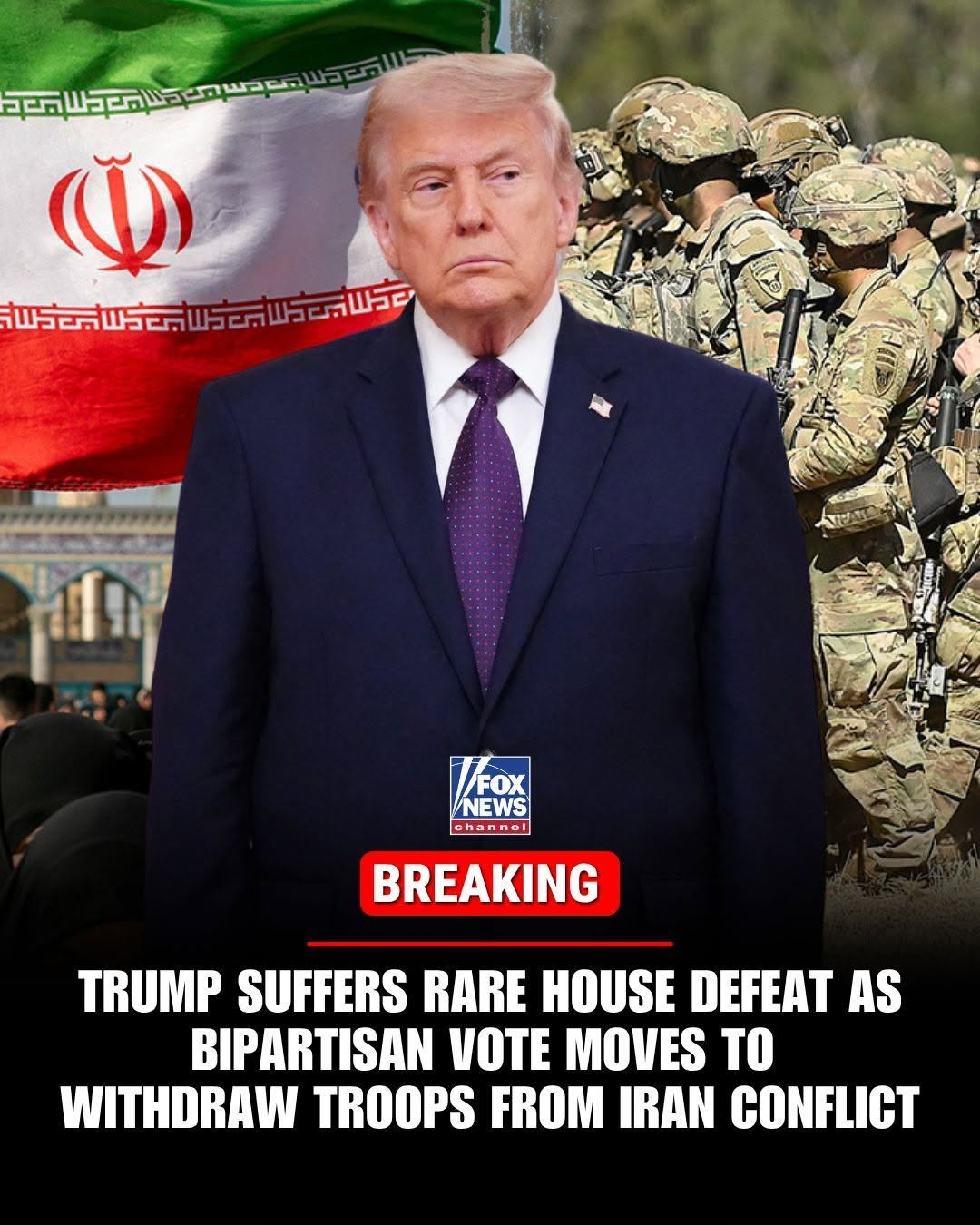
The House action arrives amid escalating tensions with Iran, mounting economic costs associated with military operations, and increasing public debate over the scope of presidential war-making authority. Although the resolution still faces hurdles in the Senate and potential legal challenges, it has already reignited a national conversation about who should have the power to commit the United States to armed conflict.
The measure passed despite efforts by Republican leadership to prevent or delay consideration. Ultimately, four Republican lawmakers joined Democrats in supporting the resolution, creating a bipartisan majority. Their votes reflected growing unease about the direction of U.S. involvement in Iran and concerns that Congress had been sidelined in decisions with far-reaching consequences.
ADVERTISEMENT
