ADVERTISEMENT
The president’s allies contend that modern security threats require rapid responses that Congress is often unable to provide. They argue that executive flexibility remains essential in a world characterized by evolving military and geopolitical challenges.
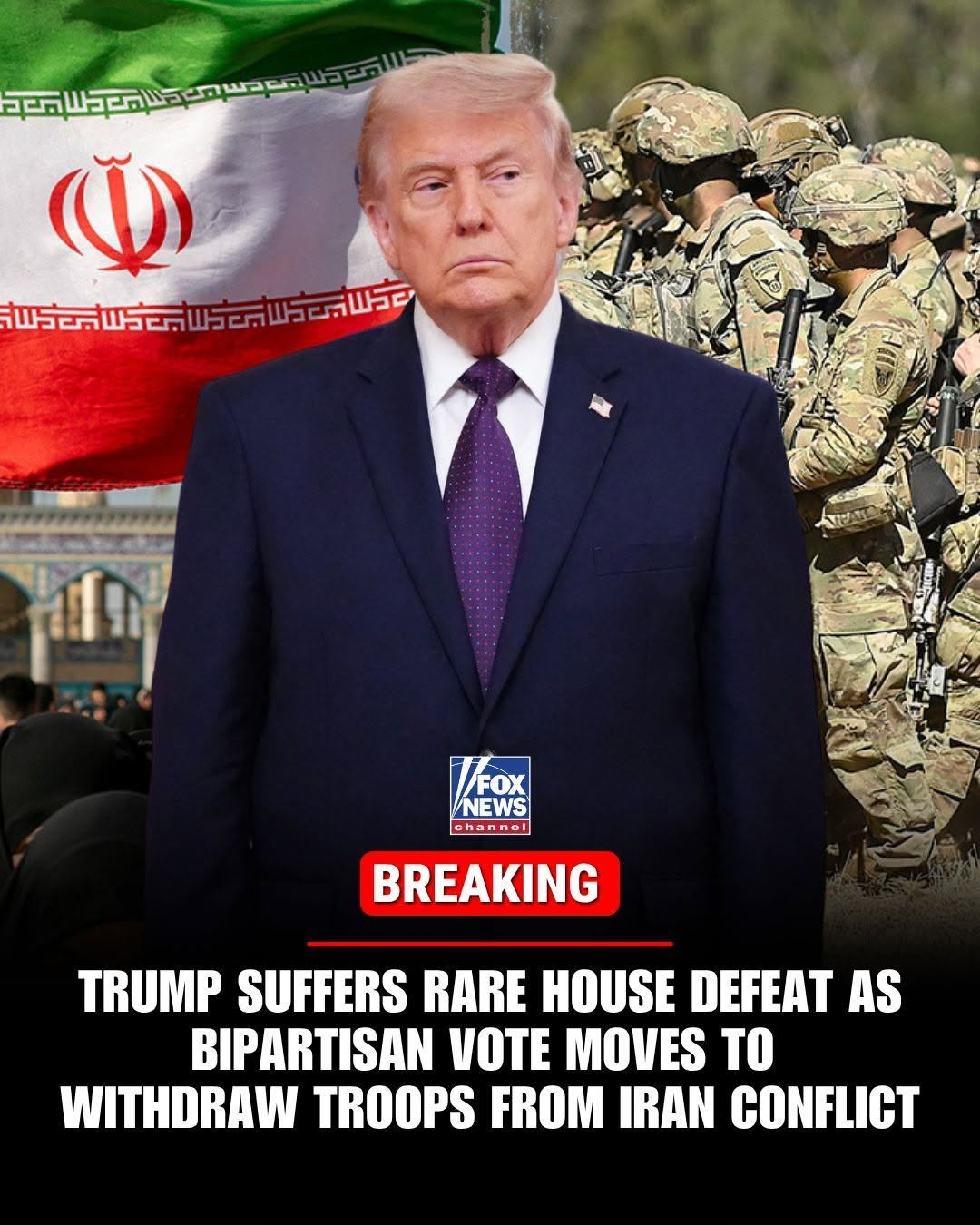
Nevertheless, the House vote demonstrated that skepticism regarding executive authority extends beyond the president’s political opponents.
The Senate’s Next Move
Attention now turns to the Senate, where lawmakers will decide whether to advance similar legislation.
Even if the Senate were to approve the measure, significant questions would remain regarding implementation and enforcement. Legal scholars continue to debate the extent of congressional authority to compel a president to terminate military operations.
As a result, many analysts view the House vote primarily as a political statement rather than an immediate policy change.
Historical Context
The struggle between Congress and the presidency over war powers is deeply rooted in American history.
Conflicts in Korea, Vietnam, Iraq, Afghanistan, Libya, and elsewhere have repeatedly raised questions about the proper balance between executive initiative and legislative oversight.
ADVERTISEMENT
