ADVERTISEMENT
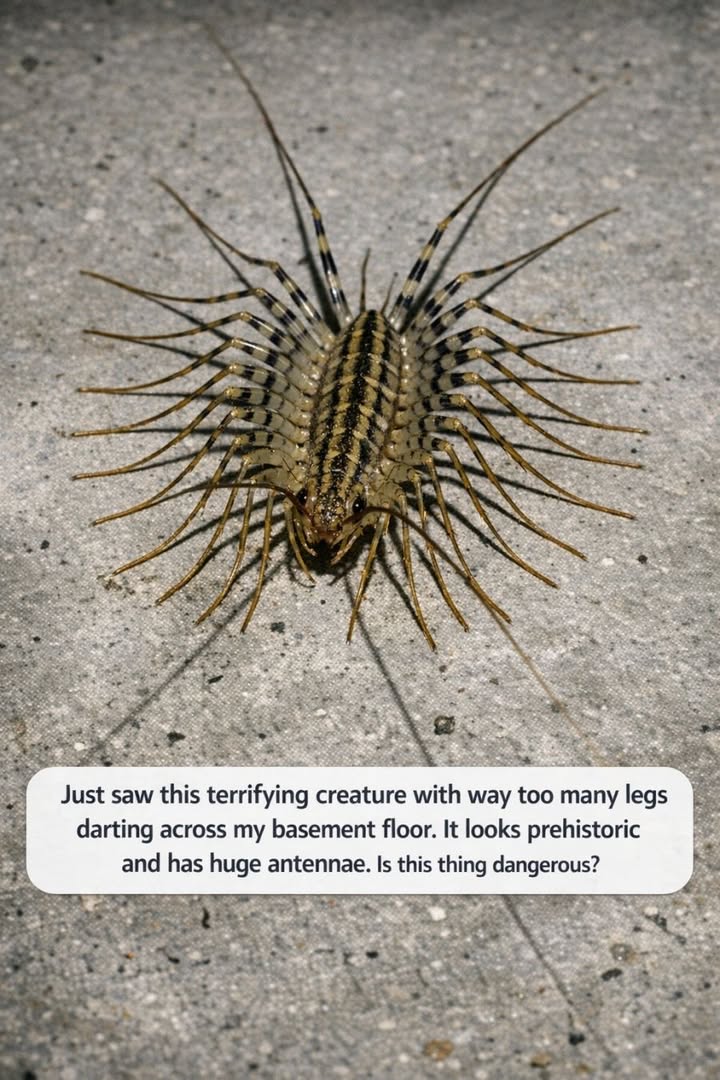
House centipede bites on humans are exceedingly rare. In most cases, the centipede will avoid contact with larger creatures, preferring to escape rather than engage. When bites do occur, they are akin to a mild bee sting, resulting in temporary redness and slight swelling. The mild pain subsides quickly and rarely necessitates medical attention. Applying an antiseptic can help prevent infection, although this is generally precautionary.
Most people will never experience a house centipede bite in their lifetime, as these creatures are not aggressive and are more interested in hunting smaller insects than in interacting with humans.
5. The Surprising Upside: What House Centipedes Actually Eat
One of the more surprising aspects of the house centipede is its diet. These arthropods are natural pest controllers, feeding on a variety of household insects, including spiders, termites, cockroaches, and silverfish. By keeping these populations in check, house centipedes play an important role in maintaining a balanced ecosystem within your home.
ADVERTISEMENT
