ADVERTISEMENT
Continued instability in Lebanon linked to broader regional conflict dynamics
Airstrikes and counterstrikes involving multiple actors
U.S. defensive military responses following drone and missile incidents
Ongoing humanitarian and economic strain across affected regions
At the same time, diplomatic pressure has increased from global partners who are concerned about escalation affecting global trade routes and energy supply chains.
The Role of U.S. Political Messaging
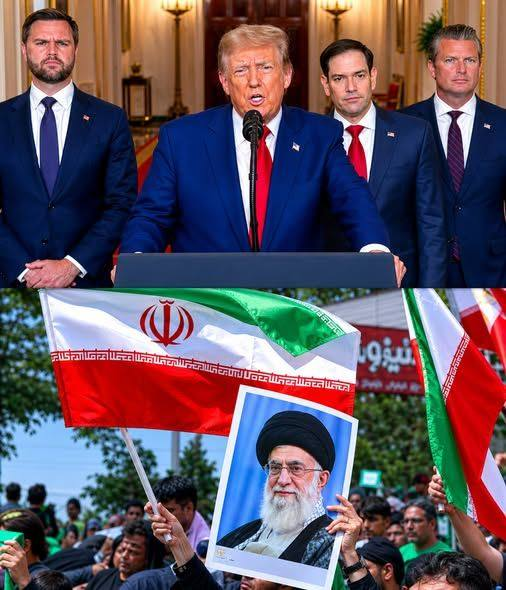
U.S. leadership has publicly emphasized optimism about the possibility of a deal, while also warning that failure could result in renewed escalation.
Officials have described negotiations as “advanced but not final,” suggesting that key disagreements remain unresolved even as diplomatic momentum continues.
However, political divisions within the United States have also complicated messaging, with critics questioning the feasibility and enforcement of any agreement with Tehran.
Iran’s Position: Security, Sovereignty, and Pressure Points
From Tehran’s perspective, negotiations are closely tied to broader demands regarding sovereignty, sanctions relief, and regional security guarantees.
Full cessation of hostilities across all fronts
Guarantees against renewed military action
Recognition of regional security concerns
Economic relief and sanctions rollback
ADVERTISEMENT
