ADVERTISEMENT
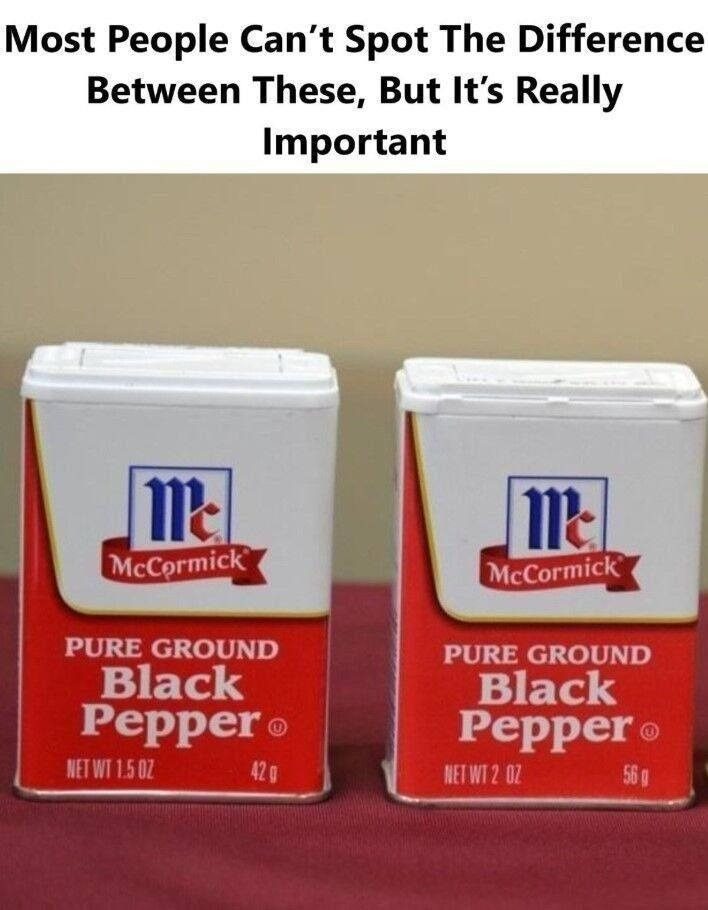
Net weight matters more than package size. A bulky container with thick walls and a tall cap might hold less than a smaller, efficiently designed package.
“New look, same great taste” often signals a quantity reduction. When companies emphasize packaging changes in marketing, investigate what else might have changed.
The Trust Factor in Brand Loyalty
Brands spend generations building consumer trust. McCormick, founded in 1889, became a staple in American kitchens through consistent quality and fair dealing. That’s what makes packaging controversies so damaging—they strike at the foundation of brand relationships.
The financial calculation that makes shrinkflation attractive in the short term—maintaining profit margins without obvious price increases—can backfire spectacularly when customers discover the change and feel manipulated.
How Other Industries Handle Transparency
Some sectors have found more honest approaches to balancing costs and consumer expectations:
Premium brands position themselves on quality rather than quantity, making price increases more acceptable because customers understand what they’re paying for.
ADVERTISEMENT
