ADVERTISEMENT
Everyone feels tired occasionally, especially after a busy week or lack of sleep. Cancer-related fatigue, however, is different. It is often severe, persistent, and does not improve significantly with rest.
Patients often describe this fatigue as a deep lack of energy that interferes with daily activities. Simple tasks such as walking, cooking, or concentrating may become unusually difficult.
Because fatigue can result from numerous health conditions, including anemia, depression, and thyroid disorders, it is essential to consider it alongside other symptoms and seek professional medical advice when it persists.
Different types of cancer can produce pain in various locations. Bone cancer may cause persistent bone discomfort, while brain tumors can trigger recurring headaches. Some cancers create pressure on nerves or organs, leading to ongoing pain that gradually worsens.
A key warning sign is pain that has no obvious explanation and continues despite treatment or lifestyle changes. Individuals should pay particular attention if pain interferes with sleep, daily activities, or quality of life.
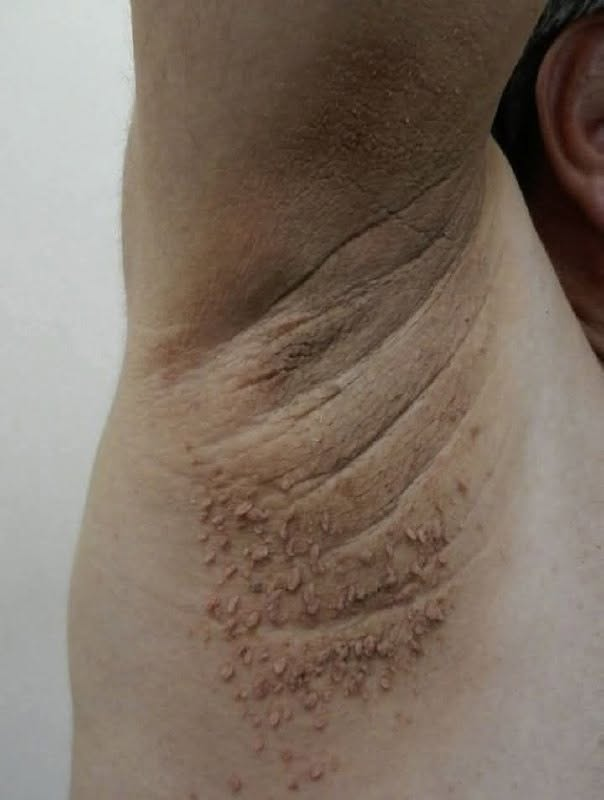
Changes in the Skin
The skin often provides visible clues about underlying health conditions, including cancer.
New moles or growths
Existing moles that change in size, shape, or color
Sores that do not heal
Unusual darkening or yellowing of the skin
Persistent redness or irritation
Itching without a clear cause
Skin cancer, including melanoma, frequently begins with noticeable alterations in moles or pigmented areas. Dermatologists recommend regular skin examinations and monitoring any changes that appear unusual.
Asymmetry
Border irregularity
Color variation
Diameter enlargement
Evolving appearance
Early detection dramatically improves outcomes for many forms of skin cancer.
A Persistent Cough or Hoarseness
A cough that lingers for weeks, especially without a clear explanation such as a cold or flu, should not be ignored.
Shortness of breath
Chest pain
ADVERTISEMENT
