ADVERTISEMENT
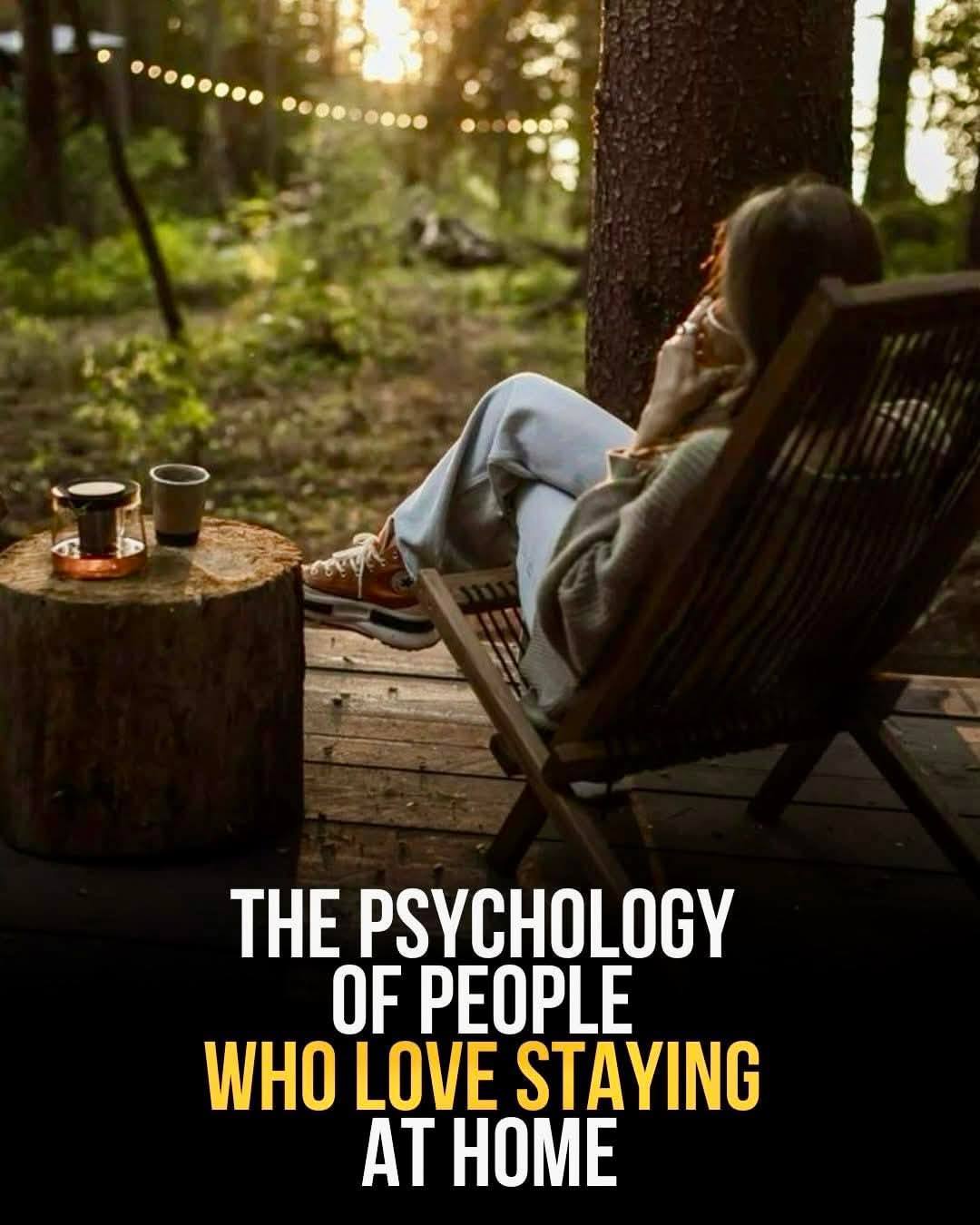
This is particularly applicable to those who have been raised in environments characterized by stress and chaos. If an individual has spent years treading on thin ice, navigating tension, and being emotionally vulnerable, it only makes sense that they would be more inclined to preserve their peace later in life. From this perspective, staying at home is neither a sign of weakness nor cowardice.
Pexels
Introversion Is Not the Same as Shyness
The misconception about introverts being shy needs to be addressed. There is a significant distinction between introversion and shyness. The former is associated with the process of energy gain and loss. While extroverts energize themselves by interacting with others, introverts gain energy from alone time and peaceful environments. Shyness, on the other hand, is linked to fear of judgment.
It is critical to understand the distinction.
ADVERTISEMENT
