ADVERTISEMENT
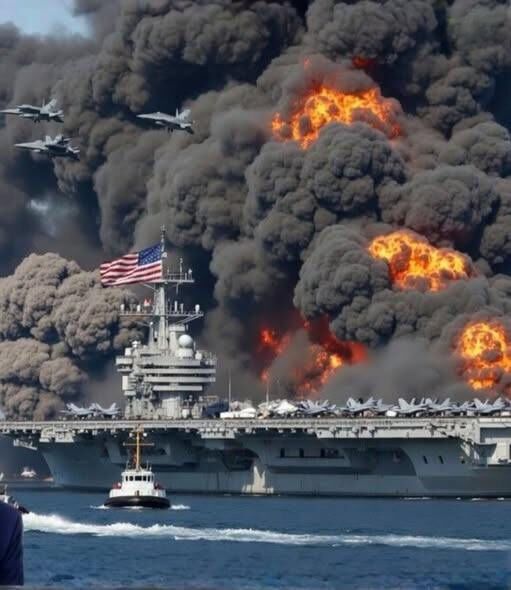
Research conducted by institutions such as the Pew Research Center shows that breaking news events are especially vulnerable to misinformation. When facts are scarce, audiences often rely on incomplete or secondhand information, which can easily spiral into widely accepted narratives—even if they are inaccurate.
High public interest: Geopolitical developments naturally draw global attention.
Limited early data: Initial reports are often incomplete or unclear.
Unverified sources: Anonymous accounts or unofficial commentators may present claims as facts.
Algorithmic amplification: Social media platforms prioritize engagement, sometimes boosting sensational but unverified content.
These dynamics create an environment where misinformation can travel just as quickly—if not faster—than verified news.
Why Verification Is Essential
Military-related information is among the most sensitive categories of news. Governments and defense organizations follow strict procedures before releasing details about any incident involving military assets. This process is not only about accuracy but also about preventing misunderstandings that could escalate tensions.
Cross-checking operational data
Evaluating national security implications
Coordinating with allied nations
Ensuring that released information does not compromise ongoing operations
Because of these safeguards, official confirmation may take time. However, this delay is necessary to ensure that the information shared with the public is accurate and responsible.
Without such confirmation, any circulating claims—no matter how widely shared—remain unverified and should be treated with skepticism.
ADVERTISEMENT
