ADVERTISEMENT
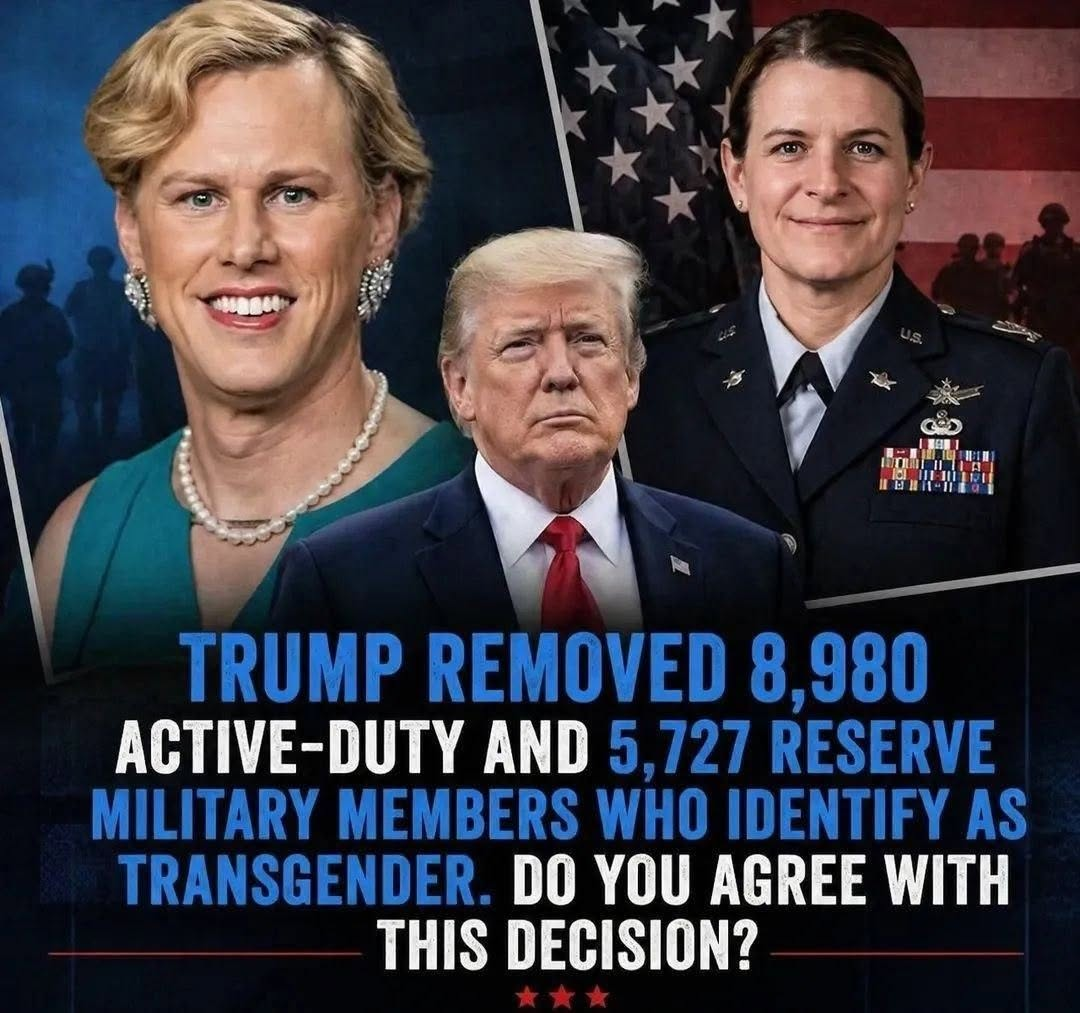
The discussion has become a focal point in broader debates surrounding civil rights, public policy, national security, and social change. It has also generated strong opinions across the political spectrum, with lawmakers, military leaders, advocacy groups, veterans, and citizens offering differing perspectives on what military service requirements should be.
The answer is neither simple nor universally agreed upon.
Understanding the Military’s Unique Mission
Unlike most institutions, the military exists primarily to accomplish missions related to national defense.
As a result, military organizations often establish eligibility requirements based on factors including:
Physical fitness
Medical readiness
Psychological stability
Deployability
Operational performance
Unit cohesion
Supporters of restrictive policies frequently argue that military decisions should prioritize mission effectiveness above all else.
Others counter that readiness and inclusion are not mutually exclusive goals and that military effectiveness can coexist with broader participation opportunities.v
ADVERTISEMENT
