ADVERTISEMENT
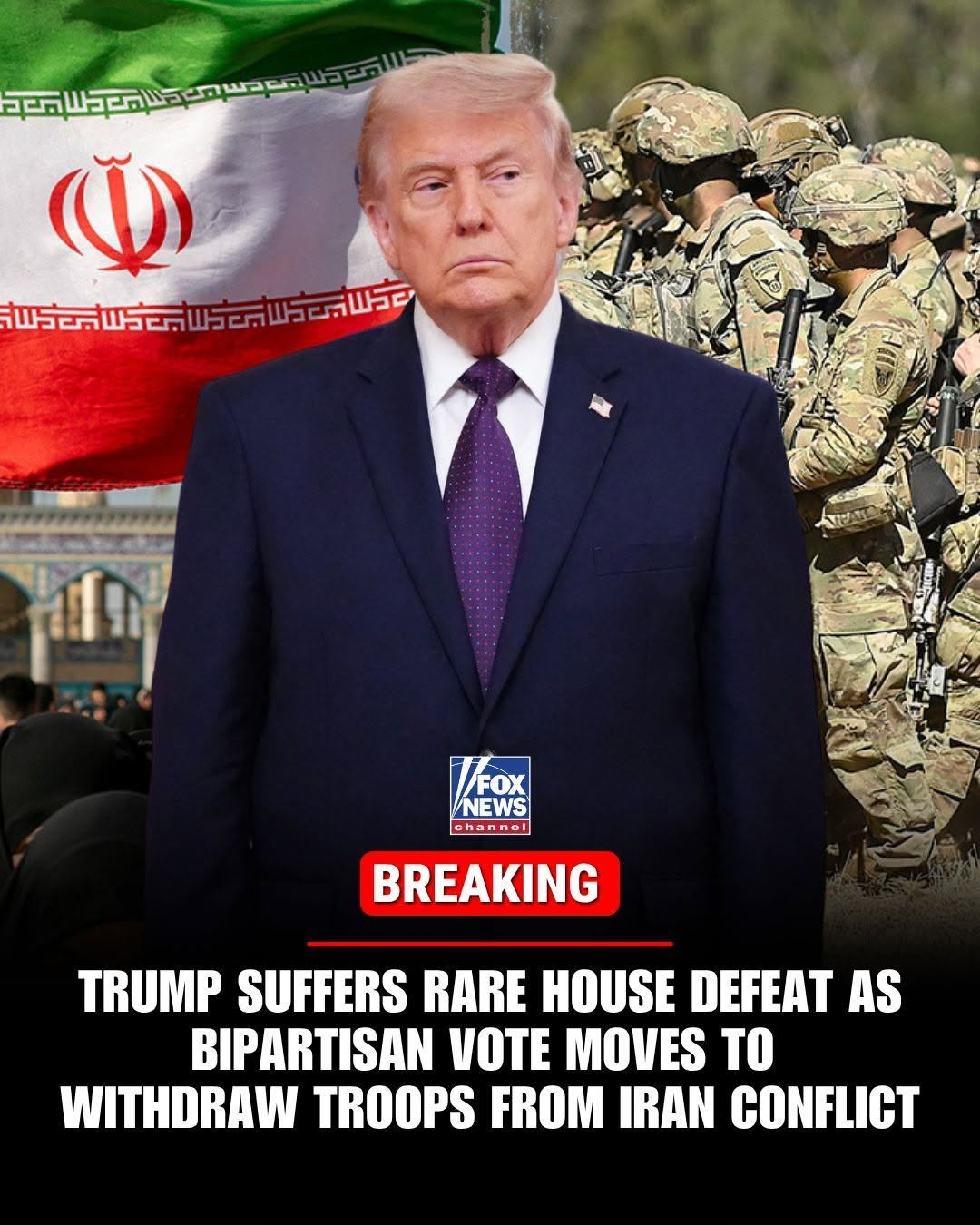
The House vote occurred against the backdrop of a prolonged confrontation between the United States and Iran.
Supporters of the resolution argue that continued military operations risk drawing the United States deeper into another costly and potentially open-ended conflict. They point to the lessons of previous wars in the region, emphasizing the importance of congressional oversight before further escalation occurs.
Opponents counter that reducing presidential flexibility could embolden adversaries and undermine ongoing negotiations. They argue that maintaining credible military options remains essential to protecting American interests and preserving regional stability.
Bipartisan Frustration Emerges
Perhaps the most noteworthy aspect of the vote was the bipartisan nature of the opposition.
In an era marked by intense political polarization, cross-party cooperation has become increasingly rare. Yet concerns about war powers created an unusual alliance among lawmakers who often disagree on nearly every other issue.
Democrats, meanwhile, framed the vote as a necessary step toward accountability and transparency. They contended that major military commitments should not proceed without robust public debate and legislative approval.
ADVERTISEMENT
