ADVERTISEMENT
The coalition’s success demonstrated that questions of war and executive authority can still unite lawmakers across ideological divides.
The Iran conflict has coincided with volatility in energy markets, rising fuel prices, and concerns about broader economic disruption. Lawmakers from both parties have faced increasing pressure from constituents worried about the financial consequences of prolonged military engagement.
Historically, overseas conflicts often carry substantial economic costs, including increased defense spending, supply-chain disruptions, and market instability. As these concerns have grown, so too has congressional interest in scrutinizing military operations.
They maintained that congressional oversight serves not only constitutional principles but also practical considerations related to fiscal responsibility.
Trump’s Response
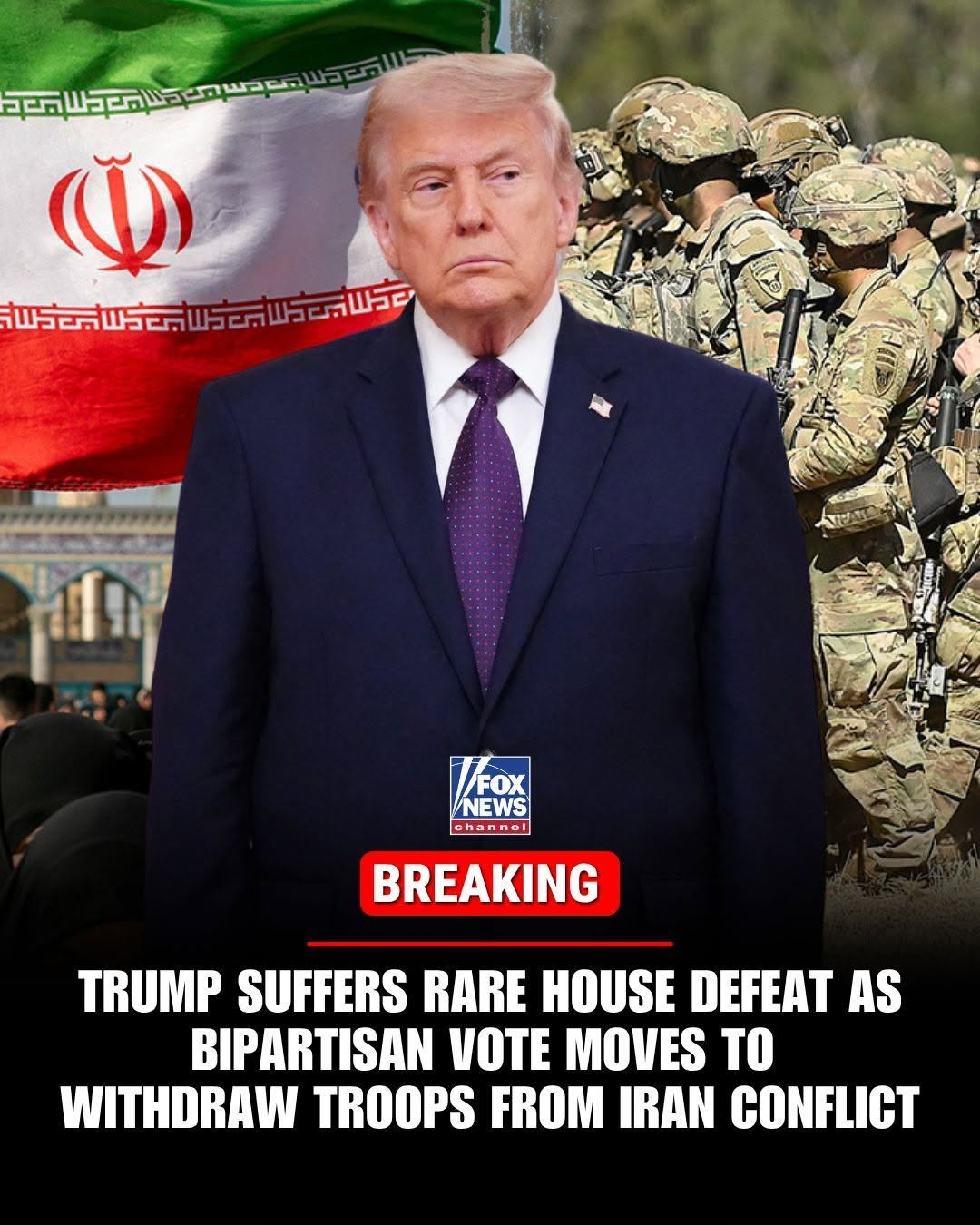
President Trump responded sharply to the House action, dismissing the resolution and criticizing lawmakers who supported it. He characterized the vote as politically motivated and argued that it could undermine American leverage in dealing with Iran.
ADVERTISEMENT
