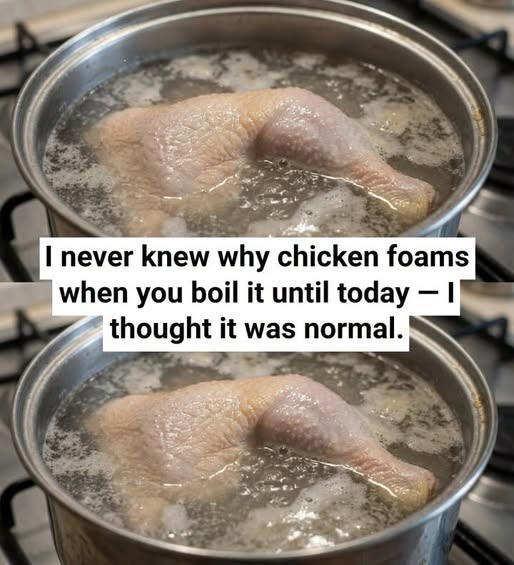
Factors That Influence Foam Production
You may notice that some batches of chicken produce significantly more foam than others. Several factors contribute to this variation. Frozen chicken tends to release more water and proteins during the cooking process, leading to a heavier foam. Cuts that are bone-in or skin-on will also generate more foam than boneless, skinless breasts because there is more connective tissue and material breaking down. Additionally, leaner cuts with high protein concentrations, like chicken breasts, are more prone to foaming. Finally, the cooking method plays a major role. A rapid, rolling boil will agitate the proteins much more aggressively than a gentle simmer, resulting in a thicker layer of foam.
Culinary Impact: To Skim or Not to Skim