ADVERTISEMENT
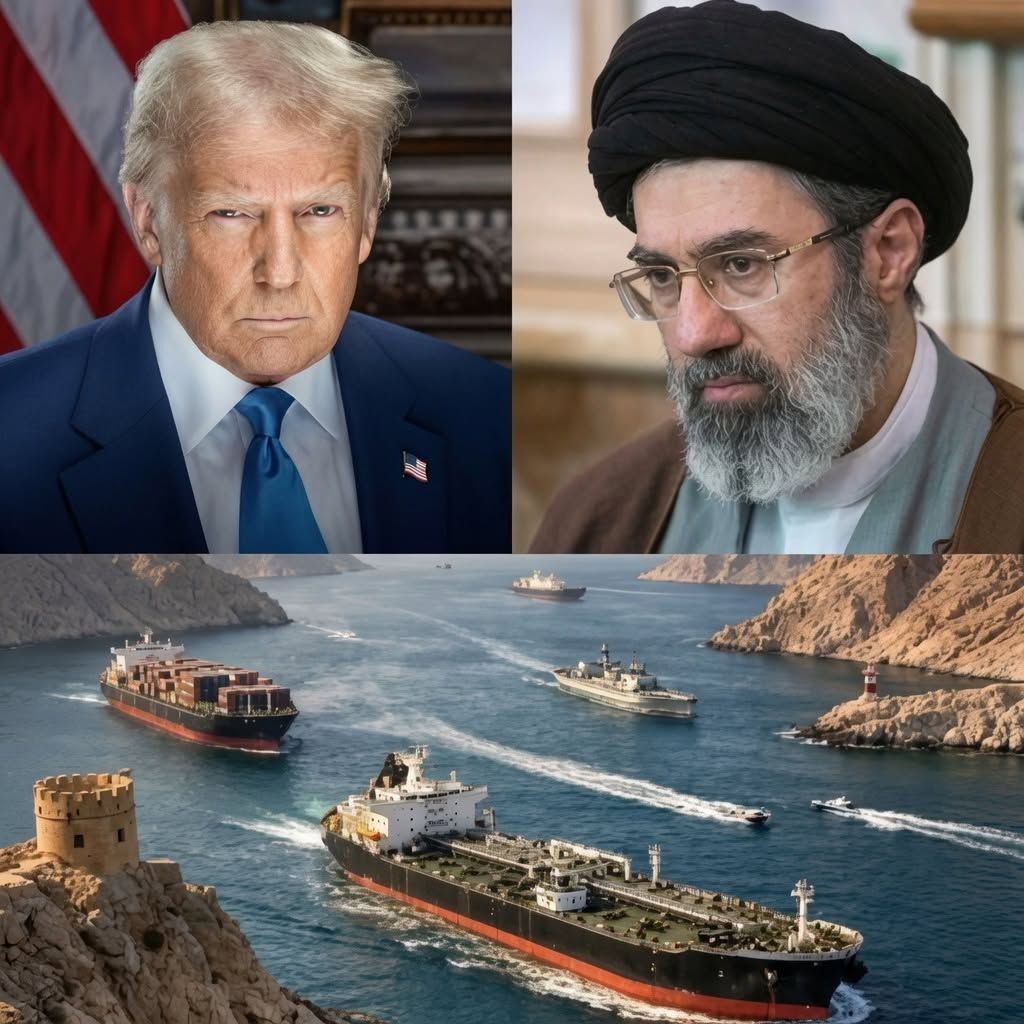
Because of its narrow width—at certain points only about 21 miles wide, with designated shipping lanes even narrower—the strait is particularly vulnerable to congestion, surveillance, and geopolitical pressure.
A Busy 24 Hours in a High-Risk Corridor
The reported passage of more than 20 commercial vessels within a single day reflects the continued high-volume utilization of the waterway despite regional instability.
The vessels reportedly included:
Large crude oil tankers transporting Middle Eastern exports
Container ships carrying manufactured goods between Asia and Europe
Bulk carriers transporting raw materials such as grain and industrial commodities
Chemical tankers involved in specialized global supply chains
Maritime tracking data suggests that transit operations proceeded without major disruption during the reported period, though authorities continue to monitor conditions closely.
A key element of the report that has fueled online speculation is the claim that each vessel “paid a total fee” for passage.
No official maritime authority has confirmed a standardized transit fee specific to this event
No shipping consortium has publicly verified a uniform payment structure
No documented tariff schedule tied to the Strait of Hormuz has been disclosed in connection with the reported 24-hour window
In global maritime practice, vessels typically pay a range of costs associated with transit through strategic waterways, including:
In some cases, informal or indirect costs may also rise during periods of geopolitical tension, particularly through increased insurance rates or private security arrangements.
However, the suggestion of a single unified “fee per vessel” for passage through the Strait of Hormuz remains unverified and should be treated cautiously unless supported by official documentation.
The Strait of Hormuz has long been a focal point of geopolitical friction. Its importance to global energy markets gives it outsized strategic significance compared to many other maritime chokepoints.
1. Regional Political Tensions
The surrounding region has experienced recurring tensions involving state and non-state actors. Diplomatic disputes, military posturing, and occasional maritime incidents have all contributed to volatility.
2. Energy Dependency
ADVERTISEMENT
