ADVERTISEMENT
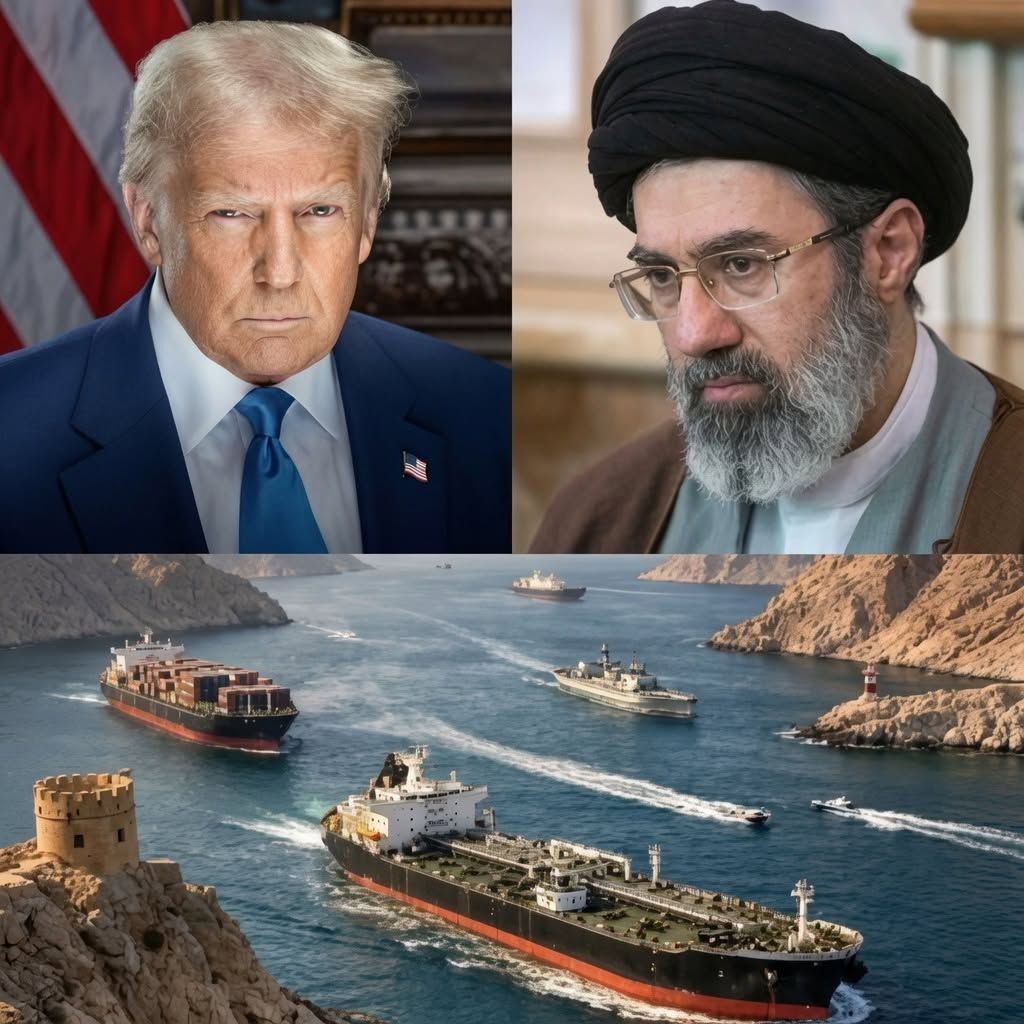
More Than 20 Commercial Ships Pass Through the Strait of Hormuz in 24 Hours Amid Rising Maritime Tensions and Reported Transit Fees
Introduction: A Critical Maritime Corridor Under Global Watch
According to shipping monitoring updates and regional maritime tracking reports, the vessels—ranging from oil tankers to large container ships—successfully completed passage through the narrow waterway despite heightened geopolitical tensions in the surrounding region.
What has drawn additional scrutiny is an unverified but widely circulated claim that each vessel “paid a total fee” for safe or prioritized passage, though no official figure or standardized tariff has been confirmed by maritime authorities, shipping companies, or regional governments.
The Strategic Importance of the Strait of Hormuz
The Strait of Hormuz is widely regarded as one of the most important energy transit corridors in the world. Located between Oman and Iran, it serves as the primary passageway for a significant portion of global oil and liquefied natural gas exports.
ADVERTISEMENT
