ADVERTISEMENT
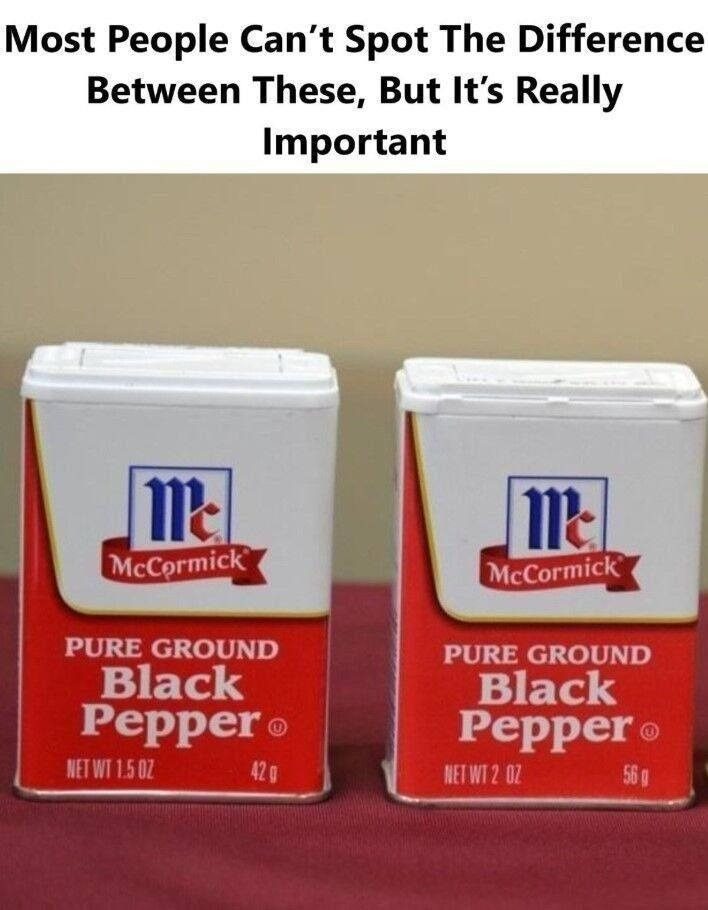
The change seemed minor on the surface: the company reduced the pepper content from approximately 8 ounces to around 6 ounces—a 25% reduction. The container’s external dimensions, however, remained virtually identical. To shoppers scanning shelves quickly, the product looked unchanged. Only the fine print revealed the truth.
The Shrinkflation Phenomenon
This McCormick situation exemplifies a broader trend called “shrinkflation”—when product quantities decrease while prices and packaging sizes stay the same or even increase. It’s happening across virtually every grocery category:
Common examples include:
The Clear Container Advantage
Watkins, McCormick’s competitor in this dispute, takes a different approach. Their pepper comes in clear containers that let customers see exactly what they’re buying. This transparency eliminates the guessing game. When both products contain the same weight of pepper but one looks substantially larger, the visual comparison becomes problematic for the brand using opaque packaging.
This raises an important question: if a company is proud of its product and pricing, why not let customers see it? Clear packaging builds trust. Opaque containers, especially after quantity reductions, can erode it.
Unit pricing is your best friend. That small label on the shelf edge showing the cost per ounce or per unit lets you compare products accurately, regardless of package size tricks.
ADVERTISEMENT
