ADVERTISEMENT
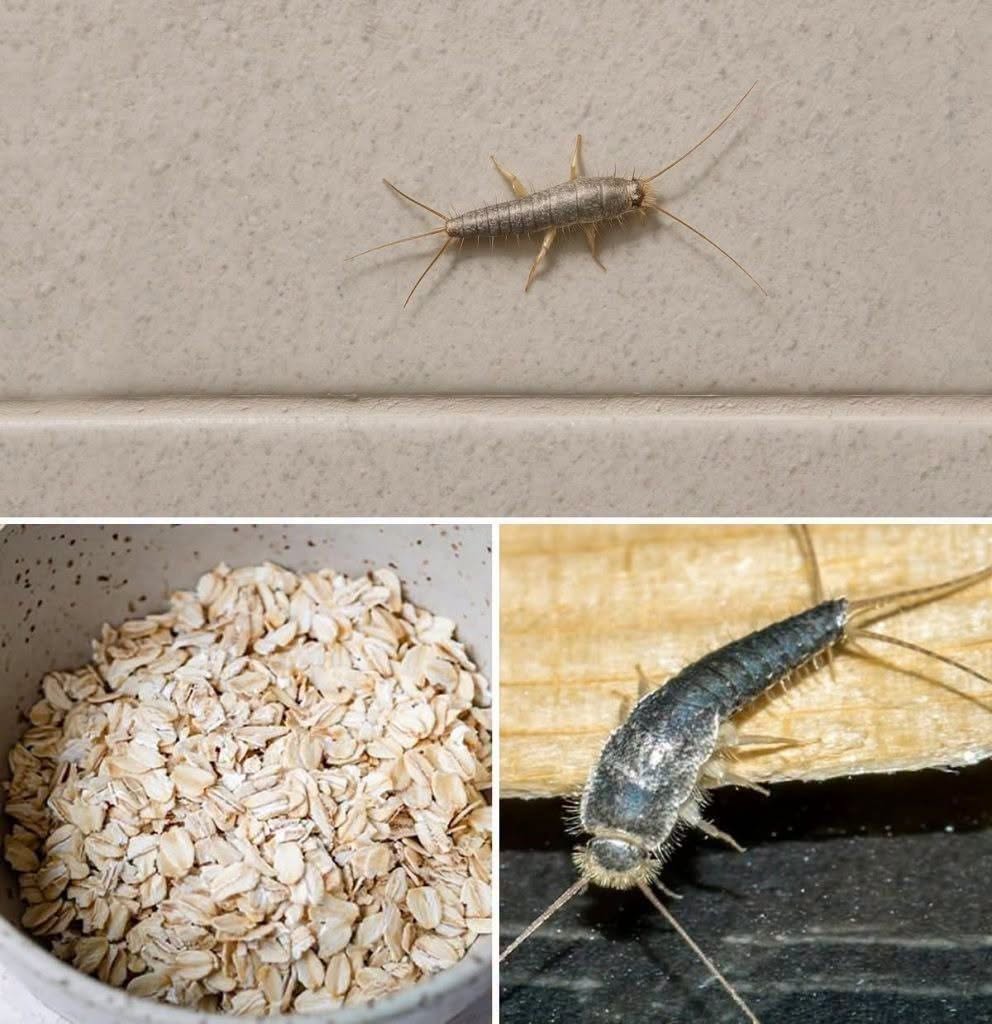
However, they can be destructive. Silverfish can damage your belongings by feeding on:
Photographs and important documents
Wallpaper and fabric
If you have a large infestation, they can cause significant damage to valuable items like old books, family heirlooms, and irreplaceable documents.
They can also trigger allergies in some people. The proteins in their shed skins and droppings can cause allergic reactions or asthma symptoms, especially in sensitive individuals.
Why Are They in My Home Specifically?
Common Entry Points:
Gaps around doors and windows
Vents and utility lines
Used furniture and books
Why They Choose Your Home:
Water leaks (dripping pipes, condensation)
Food sources (open containers, pet food, forgotten pantry items)
If you have silverfish, you likely have at least one of these conditions. Addressing the root cause is the key to getting rid of them permanently.
Signs of a Silverfish Infestation
One silverfish doesn’t mean an infestation. But if you start noticing any of these signs, it’s time to take action:
Sightings: Seeing them regularly, especially during the day
Shed skins: Silverfish molt as they grow. You might find translucent, silvery skins in cupboards, drawers, and corners
Feces: Tiny, black pepper-like droppings in areas where they feed
Damage: Irregular holes or yellow stains on paper, books, wallpaper, or fabric
Musty odor: A large infestation can produce a subtle, unpleasant smell
How to Get Rid of Silverfish (Without Losing Your Mind)
I’ve been through this. Here’s what actually works.
Step 1: Identify the Source
You can’t get rid of silverfish without addressing what’s attracting them. Check for:
Leaky pipes or faucets
Poor ventilation in bathrooms and basements
Cluttered areas with cardboard or paper
ADVERTISEMENT
