ADVERTISEMENT

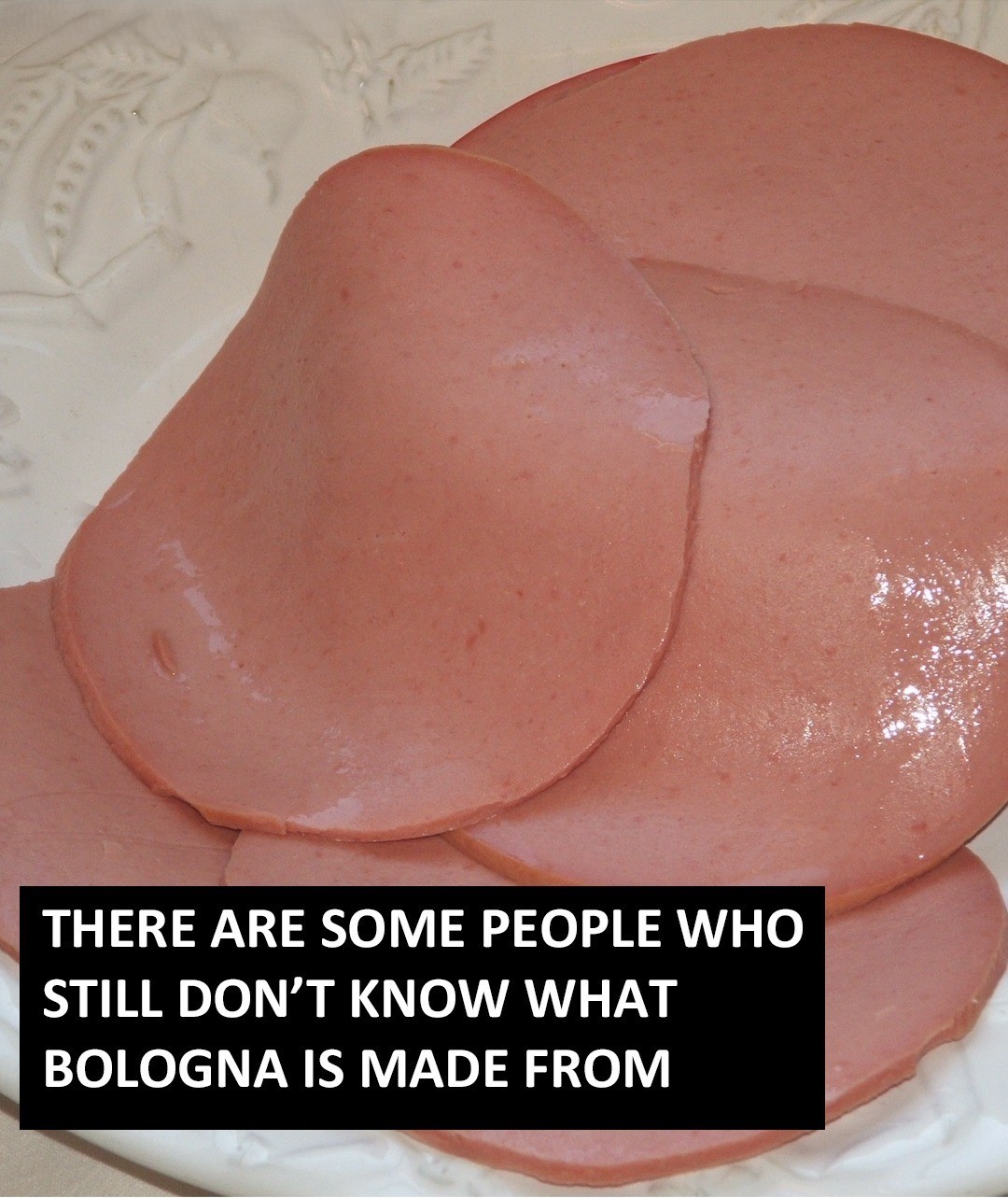
What Is Bologna Made Of? Check 1st comment

ADVERTISEMENT

The process of cooking and smoking the meat is also meticulously controlled. After the emulsified paste is packed into casings, it is subjected to a precise heat treatment. This denaturation of the proteins is what locks the emulsion into its solid, sliceable form. Many varieties are then moved into smokehouses, where natural wood smoke or liquid smoke flavoring is added to provide that characteristic tang that we associate with the product. It is a process that is less about “hiding” ingredients and more about turning raw materials into a highly stable, uniform product that can survive the logistics of modern global food distribution.

Why, then, do we remain so suspicious? Part of the answer lies in our psychological detachment from the source of our protein. As a society, we have become increasingly disconnected from the reality of butchery. When meat retains its shape—a steak, a chop, or a chicken breast—we feel comfortable. We can verify its origin. When meat is turned into a smooth, pink, uniform circle, our brains struggle to connect the final product to the animal. That cognitive gap is filled by the mystery meat narrative. We intuitively feel that something has been “lost” in the process, and we fear that the space vacated by our understanding has been filled with something unsavory.

ADVERTISEMENT

Leave a Comment

ADVERTISEMENT