ADVERTISEMENT

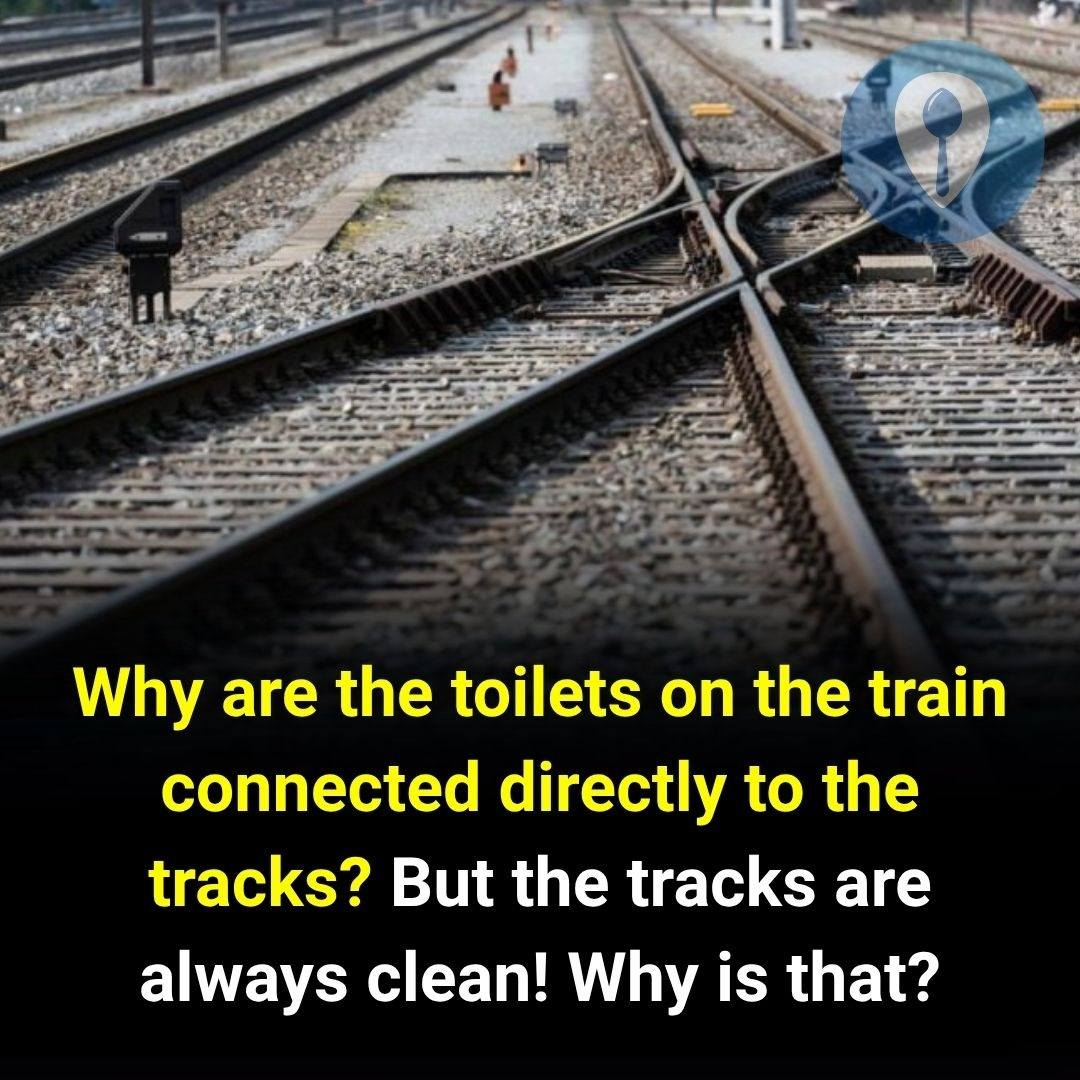
Why are the toilets on the train connected directly to the tracks?

ADVERTISEMENT

Why Are the Toilets on Trains Connected Directly to the Tracks?
If you’ve ever used a train toilet and had a sudden, uncomfortable realization about where everything goes, you’re not alone.

For decades, passengers around the world have asked the same question—sometimes jokingly, sometimes in genuine disbelief:

Why are train toilets connected directly to the tracks?

It sounds unhygienic.
It feels outdated.
And once you know, it’s hard to unknow.

But there’s a long, surprisingly practical history behind this design—and the story explains not only how trains used to work, but how engineering decisions are shaped by cost, speed, and infrastructure.

Let’s break it down.

The Shocking Truth (Historically Speaking)
For much of railway history, many train toilets were exactly what people fear they were:

👉 Direct-discharge toilets, meaning waste was released straight onto the tracks.

No tanks.
No pipes to storage systems.
No onboard treatment.

Just gravity and motion.

As uncomfortable as that sounds today, when these systems were introduced, they made a lot of sense.

A Look Back: Early Train Travel
When passenger trains first became widespread in the 19th century, comfort was a secondary concern.

Early trains:

ADVERTISEMENT

Leave a Comment

ADVERTISEMENT