ADVERTISEMENT
Because electronic transmission controls and “Eco” buttons have replaced it. The functionality is still there—it’s just not labeled “E” on the gear selector.
Will “E” save me a lot of gas?
Modestly. You might see 1-2 mpg improvement on the highway. The bigger impact is driving style (smooth acceleration, steady speeds, reduced idling).
My car has an “E” but I’ve never used it. Am I missing out?
Not really. The fuel savings are small. If you’re happy with your car’s performance in “D,” you don’t need to use “E.”
It’s a reminder that cars—like language, fashion, and technology—evolve. Features that seemed cutting-edge in one decade become obsolete, forgotten, and then rediscovered by a new generation.
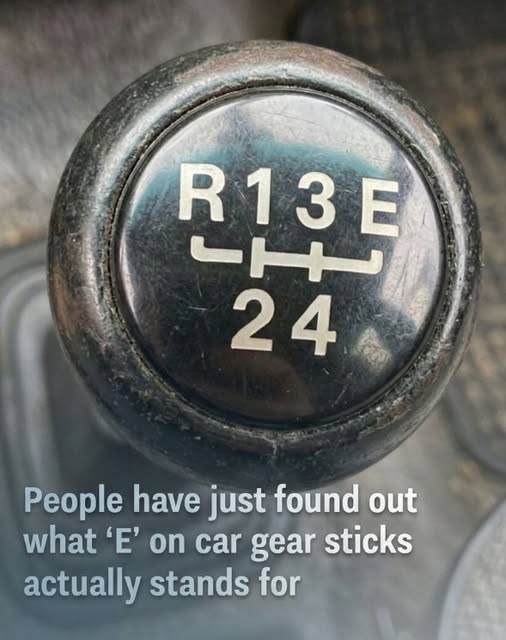
The “E” on an old gear shift isn’t just a letter. It’s a time capsule. It tells you about the 1970s oil crisis, the rise of fuel economy concerns, and the mechanical ingenuity of early automatic transmissions.
It stands for Economy. A small, forgotten effort to save gas—one gear shift at a time.
ADVERTISEMENT
