ADVERTISEMENT
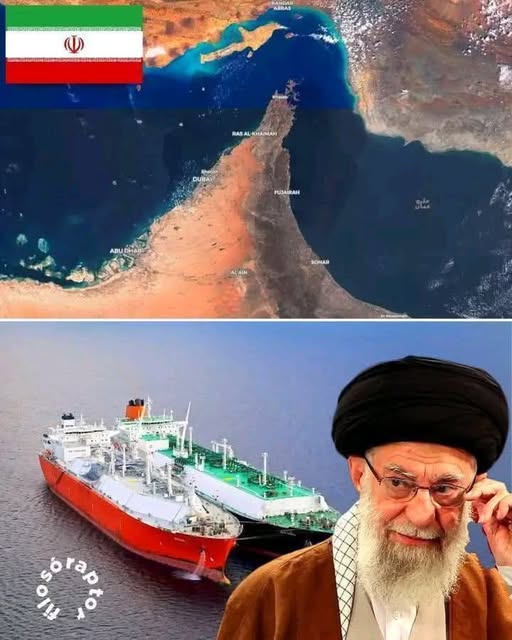
The United States, meanwhile, faces a classic dilemma of maritime hegemony. Since the 1980s and the “Tanker War” era, the U.S. Navy has positioned itself as the guarantor of free navigation in the Gulf. Any attempt by Iran to physically block the Strait would likely be met with a massive naval response. However, the modern theater of war is no longer limited to surface vessels. Iran possesses a sophisticated arsenal of anti-ship missiles, fast-attack small boats, and naval mines that could make any clearing operation long, costly, and dangerous. Furthermore, a military conflict in the Strait would almost certainly guarantee the very thing the international community fears: a prolonged spike in oil prices that could drive the global cost per barrel into uncharted territory, perhaps exceeding $200 or more.
ADVERTISEMENT
