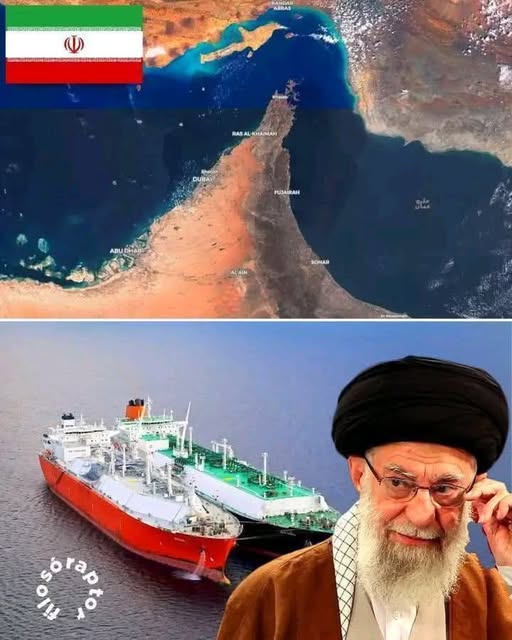
What is the Strait of Hormuz, and why does it matter to India? Iran is now threatening to block this critical oil route after US strikes on its nuclear facilities. Nearly 20% of the world’s oil passes through this narrow
stretch. If Iran shuts it, global oil prices could skyrocket, pushing petrol prices in India through the roof. How prepared is India? What’s America’s strategy? Will China step in? Watch this explainer to know how a 33 km waterway can impact your fuel, flights, and monthly expenses.
• It is an artery only 34 km wide.
• It carries 30% of the world’s oil and 1/3 of its liquefied natural gas.
• It is the hub of global energy trade; its closure could lead to a collapse of the global economy.
The geopolitical landscape of 2026 has been thrust into a state of acute instability following the Iranian Parliament’s legislative movement toward closing the Strait of Hormuz. This narrow, sickle-shaped waterway, which separates the Persian Gulf from the Gulf of Oman, is arguably the most consequential maritime chokepoint in the global energy infrastructure. At its narrowest point, the shipping lanes are a mere 33 to 34 kilometers wide, yet through this slender needle passes the lifeblood of modern industrial civilization. The decision to mobilize toward a blockade is not merely a regional maneuver; it is a calculated strike at the heart of the global economy, carrying the potential to trigger a financial contagion that could rival or surpass the Great Recession.