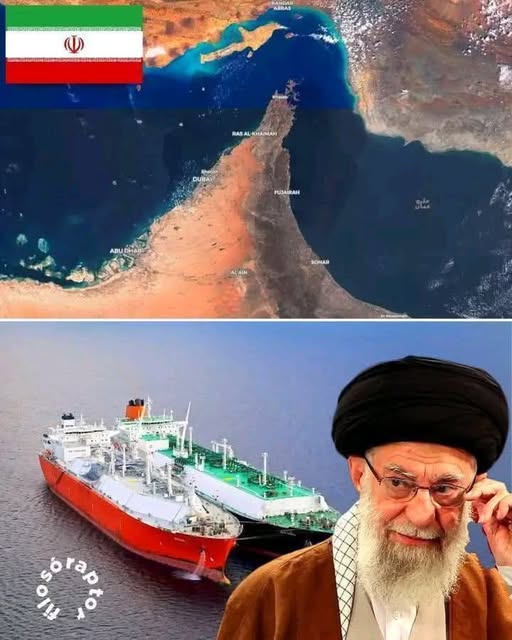
The strategic importance of the Strait cannot be overstated. It serves as the primary artery for approximately 30 percent of the world’s total seaborne-traded oil and nearly one-third of the global supply of liquefied natural gas (LNG). For decades, the free flow of tankers through these waters has been the stabilizing force behind international energy markets. However, the current crisis has been precipitated by a sharp escalation in hostilities, specifically reported strikes on Iranian nuclear facilities. In response to what Tehran views as an existential threat to its sovereignty and its technological ambitions, the Iranian leadership has reached for its most potent economic weapon. By threatening to shutter the Strait, Iran is demonstrating its ability to hold the global energy supply hostage, forcing every major power—from Washington to New Delhi and Beijing—to recalibrate their strategic priorities in real-time.
For a nation like India, the stakes are exceptionally personal and immediate. India’s burgeoning economy is heavily dependent on energy imports, with a significant portion of its crude oil and gas sourced directly from the Middle East. If the Strait of Hormuz were to be effectively blocked, the disruption to supply chains would be instantaneous. The “Hormuz Crisis” would manifest on the streets of Mumbai, Delhi, and Bangalore as skyrocketing petrol and diesel prices, which in turn would drive up the cost of essential commodities, food transportation, and air travel. India, which has historically maintained a delicate diplomatic balance between its interests in Iran and its strategic partnership with the United States, now finds itself in a precarious position. The Indian government must decide whether to deploy its own naval assets to escort tankers—a move fraught with risk—or to leverage its significant diplomatic capital to de-escalate the situation before the domestic inflationary pressure becomes politically untenable.