ADVERTISEMENT
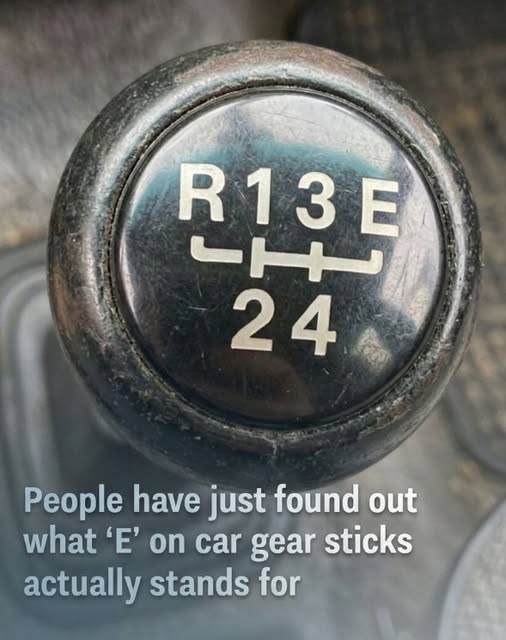
Nostalgia content: Car enthusiasts on YouTube are creating videos about forgotten automotive features. The “E” gear has become a popular topic.
Feature Old “E” (Economy) Modern “Eco Mode”
How it worked Mechanical/hydraulic transmission adjustment Computer-controlled engine, transmission, and accessories
What it changed Shift points only Throttle response, shift points, AC, cruise control, sometimes suspension
Driver experience Sluggish acceleration Softer throttle response (less “touchy” pedal)
Fuel savings Modest (maybe 1-2 mpg) Small but measurable (often 5-10% in city driving)
Location Gear selector position Dashboard button or drive mode selector
Today Obsolete Common (most new cars have Eco mode)
The old “E” was a single-purpose mechanical feature. Modern Eco mode is a sophisticated, computer-controlled system that adjusts multiple vehicle systems.
Should You Use “E” Mode (If You Find It)?
If you own an older car with an “E” on the gear shift, should you use it?
You want to save fuel (especially on the highway)
You’re driving on flat terrain
ADVERTISEMENT
You’re patient
You’re merging onto a highway (you need acceleration)
You’re driving in hilly or mountainous terrain (engine will struggle)
You’re driving in stop-and-go traffic (frequent shifting may be annoying)
The common-sense rule: Use “E” for steady-speed highway cruising. Use “D” for everything else.
Toyota Prius (and some other hybrids): Some Toyota hybrids have a “B” mode (engine braking) and an “ECO” button, but not an “E” on the gear selector.
Commercial trucks: Heavy trucks sometimes have an “E” mode (Economy) that limits engine power and adjusts shift points for fuel savings.
ADVERTISEMENT
