ADVERTISEMENT
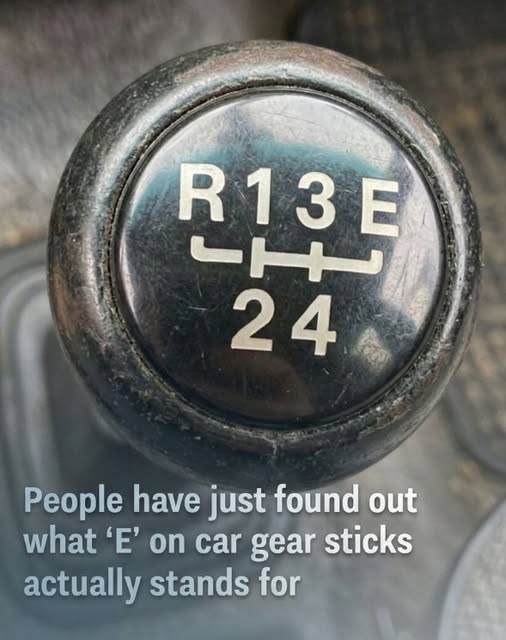
The gear selector “E” is gone. But the idea of an economy driving mode is more common than ever.
L (Low): Keeps the transmission in a low gear. Used for towing, steep hills, or engine braking. Still common on modern cars.
2 (Second): Locks the transmission in second gear. Useful for driving in snow or mud. Less common now (replaced by manual mode or “L”).
M (Manual): Allows the driver to manually select gears using paddle shifters or the gear selector. Very common on newer cars.
B (Brake / Engine Brake): Common on hybrids and EVs. Increases regenerative braking to recharge the battery and slow the car without using the brake pedal.
But that’s a different “E” from a different era. If you’re driving a 1980s gasoline car, the “E” means Economy—not Electric.
Is “E” the same as overdrive?
Sort of. “E” often engaged overdrive earlier than standard “D.” But “E” could also adjust shift points even when overdrive wasn’t engaged.
Why doesn’t my modern car have “E”?
ADVERTISEMENT
